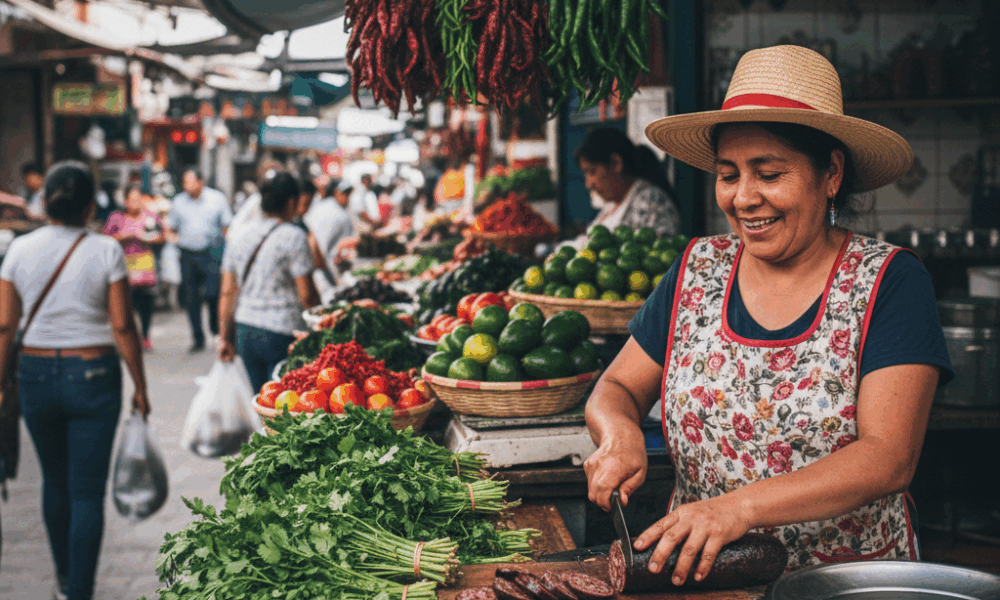
Discovering Moronga Origins and Cultural Heritage: From Pre-Columbian Practices to Modern Tables
The story of moronga reaches back to practices that predate the Spanish arrival, extending through centuries of adaptation across Latin America. Communities used every part of the animal out of respect, thrift, and survival—a philosophy now celebrated as nose-to-tail cooking. This heritage intersects with Iberian influences where blood sausages such as morcilla were already part of traditional cuisine, resulting in regional hybrids that express local herbs, peppers, and cooking methods.
In Mexico, Central America, the Caribbean, and the Southern Cone, this sausage appears under names like morcilla, rellena, and mbusia. Families often pass down authentic recipes that balance spice, sweetness, and herbaceous notes, turning a humble ingredient into celebratory fare. A fictional community cook, “Chef Lucía,” illustrates the living tradition: her grandmother’s recipe uses epazote and chile de árbol, while her neighbor’s version swaps in allspice and culantro for a Puerto Rican profile.
Why does this matter to diners today? The answer sits at the intersection of cultural heritage, flavor, and sustainability. Respecting historic origins encourages a more complete understanding of Latin American identity, while also aligning with global efforts to reduce waste. That moral dimension pairs naturally with the sensory thrill—moronga is earthy, warmly spiced, and surprisingly delicate when handled well.
Where moronga lives in everyday life
Some markets display it beside chorizo, while weekend stalls griddle slices to order with warm tortillas. Holiday gatherings might feature a platter with pickled onions, while modern bistros plate thin rounds with citrus-dressed greens. These contexts highlight how heritage foods adapt, travel, and spark gourmet exploration without losing their roots.
- 🌎 Countries and regions: Mexico 🇲🇽, Puerto Rico 🇵🇷, Cuba 🇨🇺, Nicaragua 🇳🇮, Guatemala 🇬🇹, Argentina 🇦🇷, Uruguay 🇺🇾.
- 🌿 Common herbs: epazote, oregano, culantro, bay leaf.
- 🌶️ Spices and chiles: black pepper, clove, allspice, guajillo, chile de árbol.
- 🍽️ Typical serving styles: griddled slices, stewed with onions, tucked in tacos.
- 🧭 Core value: honoring historic origins while inviting today’s taste experience.
| Region 🗺️ | Local name 🏷️ | Signature notes 🎯 | Typical pairing 🍽️ |
|---|---|---|---|
| Central Mexico | Moronga | Epazote, mild heat 🌶️ | Tortillas + salsa verde |
| Puerto Rico | Morcilla | Allspice, rice grains 🍚 | Pickled onions + plantains |
| Guatemala | Rellena | Oregano, clove 🌿 | Warm corn tamal |
| Argentina/Uruguay | Morcilla | Sweet spices, softer bite 🍬 | Asado grill platter |
As diners reconnect with roots and values, moronga becomes an edible archive—one that also sets up a practical discussion of food preparation techniques used today.
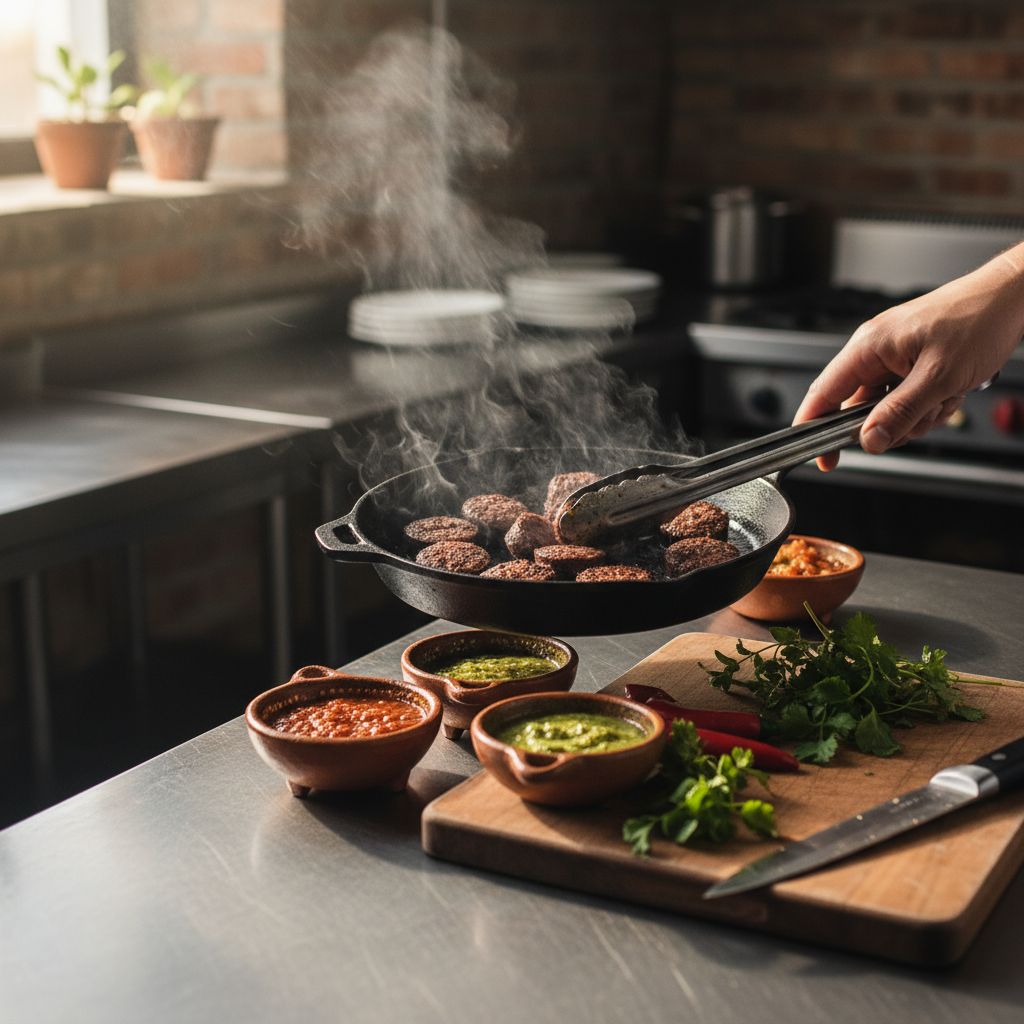
Moronga Food Preparation and Safety: Authentic Methods for Home Cooks and Curious Diners
Preparing moronga showcases careful technique, respectful handling, and regional flair. The base typically involves fresh blood, aromatics, spices, and sometimes rice or diced vegetables for texture. A gentle cook and fast chill are critical to preserve structure, minimize risk, and create a clean, nuanced profile that rewards patience.
Whether shopping at a butcher or attempting home food preparation, attention to temperature, timing, and seasoning determines success. Chef Lucía’s test batches illustrate how small changes—like a 10-minute longer simmer or a different grind size—alter the result from crumbly to sliceable perfection. The principles work across authentic recipes from Mexico, Puerto Rico, and Central America.
Practical steps that respect tradition
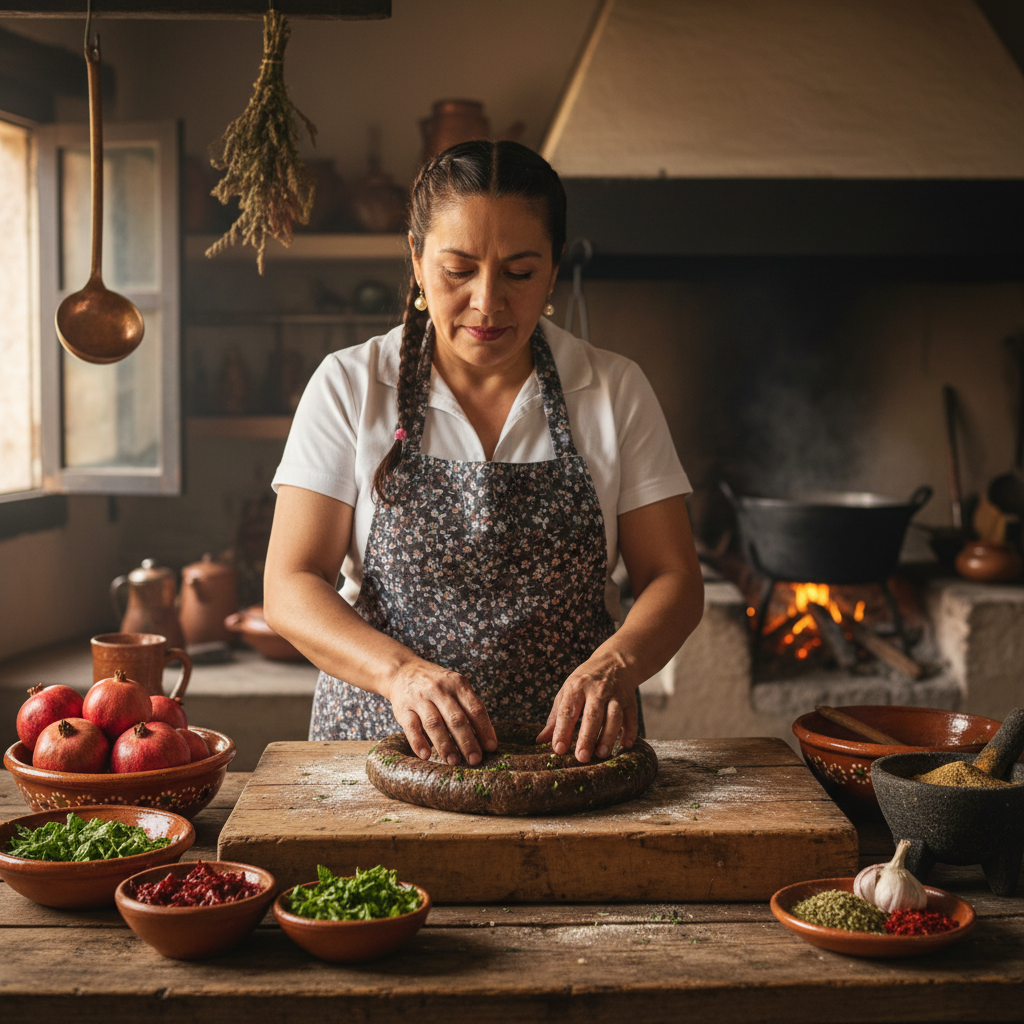
Classic preparation begins with whisking aromatics into the liquid base to prevent coagulation. The mixture fills a cleaned casing—traditionally the large intestine—before a gentle simmer that sets the structure. Cooling overnight intensifies aromas and makes clean slicing possible the next day.
- 🧤 Equipment checklist: large pot, thermometer, fine sieve, twine, sharp knife.
- 🧪 Control variables: simmer at 80–85°C, avoid violent boiling, rest overnight.
- 🌿 Flavor boosters: epazote for herbal snap, bay leaf for depth, allspice for warmth.
- ⏱️ Timing cues: mixture thickens slightly before stuffing, links firm up as they cool.
- 🥄 Serving tips: sear slices in a lightly oiled pan for a crisp edge and tender center.
| Stage 🔧 | Target metric 📏 | Why it matters 🧠 | Pro tip 💡 |
|---|---|---|---|
| Mix aromatics | Uniform dispersion ✅ | Prevents clumps and uneven flavor | Whisk with a splash of vinegar 🍷 |
| Stuff casing | No air pockets 🫧 | Keeps links intact during simmer | Massage gently before tying |
| Simmer | 80–85°C ⏲️ | Sets proteins without toughening | Keep pot at “smile” bubbles 😊 |
| Chill | Below 4°C ❄️ | Firms texture for clean slices | Rest overnight on a rack |
Those steps create a clean canvas for regional accents and pairings. For visual learners, a short video search helps demystify the stuffing and poaching stages, complementing the written method here.
When the fundamentals align—temperature, seasoning, and texture—the payoff is a balanced slice that carries savory warmth and herbal lift. That foundation leads naturally to the next topic: understanding the taste experience and how it integrates with Mexican food and neighboring culinary traditions.
Taste Experience and Pairings: How Moronga Elevates Mexican Food and Beyond
Moronga sits at a sensory crossroads: rich yet not heavy, aromatic but not overpowering. When sliced and seared, the exterior crisps while the interior remains velvety, yielding a contrast that stands up to bright salsas and tangy pickles. This dynamic makes it a flexible player across traditional cuisine and contemporary small plates.
Think in layers. A citrus-forward salsa verde lightens the earthy base, while quick-pickled onions bring snap and color. A spoon of smoky chipotle crema adds roundness for guests who prefer a deeper heat, showing how a single ingredient can travel multiple profiles without losing its identity.
Building a plate with intention
A thoughtful tasting flight invites comparison across textures and regional tones. The plate tells a story: one slice with epazote and tomatillo, another with allspice and sweet plantain, a third finished with charred scallion and lime zest. Each bite respects historic origins while playing with modern aesthetics.
- 🍋 Brighteners: lime, orange, or pineapple relishes to cut richness.
- 🌶️ Heat dials: guajillo for warmth, árbol for spark, chipotle for smoke.
- 🥬 Crunch: thin cabbage ribbons, radish coins, or fried capers for contrast.
- 🍷 Drinks: light lager, cava, or tart tepache for lift; young Tempranillo for depth.
- 🧂 Seasoning map: finish with flaky salt only at the table to protect texture.
| Flavor axis 🎛️ | Pairing idea 🍽️ | Effect on palate 🎯 | Best moment ⏰ |
|---|---|---|---|
| Acidic 🍋 | Salsa verde + pickled onions | Refreshes and sharpens | First bite to awaken palate |
| Smoky 🔥 | Chipotle crema + charred scallion | Adds depth and length | Middle bites, slower tempo |
| Sweet-savoury 🍌 | Fried plantain + allspice | Softens edges, rounds spice | Final bite to linger |
| Herbal 🌿 | Epazote oil + cilantro sprigs | Bright lift without heat | Intermezzo between slices |
Curious how chefs plate it? A search through short-form cooking videos shows modern presentations that remain faithful to the product’s soul while reaching new audiences. The goal is not disguise but clarity: each garnish is chosen to underline the sausage’s strengths.
These tasting strategies introduce a subtle lesson: great experiences come from intention and balance. With that in hand, the next step explores why moronga fits the food trends of 2025, where sustainability and culinary curiosity meet.
Why Try Moronga in 2025: Food Trends, Sustainability, and Where to Find It
The current year highlights a convergence of values—taste, ethics, and discovery—that points squarely toward moronga. Nose-to-tail philosophy reduces waste and honors the whole animal, while diners seek deeper gourmet exploration beyond standard menus. Moronga embodies both aims, translating cultural heritage into a tangible, delicious practice.
Restaurants focused on regional Mexican food use the sausage to anchor tasting menus with purpose. Pop-ups such as the fictional “Barrio Bytes Supper Club” pair it with seasonal produce, publishing a short data note on sourcing and carbon impact beside each course. That transparency resonates with diners who want flavor and values on the same plate.
Finding a great first bite
Starting in specialty markets, food halls, and heritage festivals increases the odds of a well-made version. Butchers who already craft fresh chorizo often prepare moronga as well, especially around holidays. A quick chat about spice level and serving suggestions helps tailor the experience, making the first slice approachable rather than daunting.
- 🧭 Where to look: Latin American grocery stores, weekend markets, regional restaurants.
- 🗓️ When to look: festival seasons, family holidays, grilling weather.
- 🧑🍳 Ask for: heat level preference, casing type, suggested salsas.
- 📦 Storage: keep chilled; sear from cold for crisp edges.
- 🌱 Values: aligns with low-waste cooking and traditional cuisine preservation.
| Venue type 🏪 | What you’ll find 🔎 | Vibe 🎶 | Beginner-friendly? ✅ |
|---|---|---|---|
| Specialty butcher | Fresh links, advice 🗣️ | Hands-on, curated | Yes 👍 |
| Food hall stall | Hot griddled slices 🔥 | Lively, fast | Yes 👍 |
| Regional restaurant | Plated appetizer 🍽️ | Comfortable, guided | Yes 👍 |
| Festival booth | Classic tacos 🌮 | Festive, bold | Yes 👍 |
With access points clarified, the final question is style: which regional path should guide the first tasting? The next section maps out options and shows how chefs tailor authentic recipes to context while preserving the soul of the dish.
Authentic Recipes and Regional Styles: Mexican, Puerto Rican, and Central American Takes
Variety defines moronga. In Mexico, a herb-forward approach leans on epazote and chiles with a clean, sliceable texture suited to tacos and antojitos. Puerto Rican morcilla often includes rice, delivering a plush interior that sings with pickled vegetables and sweet plantain. In Guatemala and Nicaragua, oregano and clove add warmth and complexity that welcomes citrusy salsas.
Chef Lucía’s teaching dinner presents a trio of styles on one board, guiding guests through an edible atlas. The Mexican link is seared and topped with tomatillo salsa for acidity; the Puerto Rican slice meets escabeche for aromatics and crunch; the Central American round pairs with fresh orange segments and a pinch of toasted cumin. The plate acts as a map of historic origins and living practice.
Choosing a style for your table
Home cooks can select texture, heat, and aromatics based on the meal. For soft rolls and picnics, the rice-enriched version behaves like a spreadable pâté; for tacos and grills, a firmer link that holds a neat slice fits better. Seasoning mirrors the sides—citrus-forward for rich mains, smoky if the rest of the meal is lean.
- 🇲🇽 Mexican approach: epazote, guajillo, cilantro; crisp sear; lime wedges 🍋.
- 🇵🇷 Puerto Rican approach: rice inside, allspice, culantro; pickled onions 🧅.
- 🇬🇹 Central American approach: oregano, clove; bright orange segments 🍊.
- 🍷 Pairings: lager or cava for lift; young red for structure.
- 🧂 Finishing: flaky salt at service to protect texture and aromatics.
| Region 🗺️ | Texture target 🧱 | Key flavors 🌿 | Serving suggestion 🍽️ |
|---|---|---|---|
| Mexico | Firm, sliceable ✅ | Epazote, guajillo, pepper | Taco with salsa verde 🌮 |
| Puerto Rico | Plush, rice-flecked 🍚 | Allspice, culantro, garlic | With escabeche + plantain 🍌 |
| Guatemala/Nicaragua | Medium-firm ⚖️ | Oregano, clove, citrus | With orange + toasted cumin 🍊 |
Regional choice is less about rules and more about context. Matching style to the occasion—picnic, tasting menu, or late-night taco run—ensures each bite feels both authentic and personal.
Smart First Steps for Gourmet Exploration: Shopping, Cooking, and Serving Moronga with Confidence
Enjoying moronga confidently starts with sourcing and continues through mindful preparation and plating. Shoppers benefit from a short conversation with butchers about freshness, spice profile, and casing type. Cooking should follow the gentle-simmer principle discussed earlier, then searing to finish for a crisp edge and tender interior.
Serving is where personality shines. Plates that mix color, crunch, and brightness make a strong case for the category while signaling respect for cultural heritage. As home cooks grow comfortable, moronga can anchor brunch, shareable boards, or late-night snacks without sacrificing its roots.
A data-informed plan that keeps flavor front and center
Design a tasting that moves from light to deep: start with citrus and herbs, then smoky notes, ending on a sweet-savory pairing. Track preferences at the table—heat, texture, and acidity—so the next round can dial in balance. That simple feedback loop mirrors how top kitchens refine menus for evolving food trends.
- 🛒 Shop smart: ask for spice level, casing, and cooking tip-of-the-day.
- 🍳 Cook gentle: simmer low, cool fully, slice cold, then sear hot.
- 🎨 Plate intentionally: add fresh, pickled, and crunchy elements.
- 📊 Note preferences: heat tolerance, herb intensity, acidity level.
- 🌮 Share widely: serve on tacos, toasts, or tasting spoons for fun.
| Decision point 🧭 | Option A ✅ | Option B ✅ | Ideal use case 🎯 |
|---|---|---|---|
| Texture | Sliceable, firm 🔪 | Plush, rice-flecked 🍚 | Tacos vs. soft rolls |
| Heat | Mild 🌶️ | Smoky-hot 🔥 | Family tasting vs. spice lovers |
| Acidity | Citrus-led 🍋 | Vinegar-pickle 🧅 | Summer plates vs. hearty mains |
| Format | Pan-seared rounds 🍳 | Grilled links 🔥 | Indoor kitchen vs. backyard grill |
When sourcing, technique, and plating align, moronga becomes more than a curiosity—it turns into a memorable, repeatable ritual rooted in traditional cuisine and open to innovation.
Is moronga safe to eat, and how should it be cooked?
Yes, when sourced fresh and cooked properly. Simmer gently to set the link, chill fully, slice cold, then sear hot. Keep the mixture clean, avoid vigorous boiling, and store leftovers chilled.
What does moronga taste like?
Earthy, warmly spiced, and lightly herbal, with a tender interior that crisps on the outside when seared. Acidity from lime or pickles brightens the profile for a balanced taste experience.
Where can beginners try it?
Start at specialty butchers, food halls, regional restaurants, or heritage festivals. Ask for a mild version and a serving suggestion such as salsa verde or pickled onions.
How is moronga different from chorizo?
Chorizo is a seasoned meat sausage, often pork-forward and paprika-rich. Moronga is a blood sausage with spices and herbs, offering a richer, silkier texture and a distinct herbal-warm profile.
What makes moronga relevant in 2025?
It aligns with food trends around sustainability, nose-to-tail cooking, and cultural heritage while offering exciting flavors for gourmet exploration at home and in restaurants.

Aisha thrives on breaking down the black box of machine learning. Her articles are structured, educational journeys that turn technical nuances into understandable, applicable knowledge for developers and curious readers alike.

Comments are closed