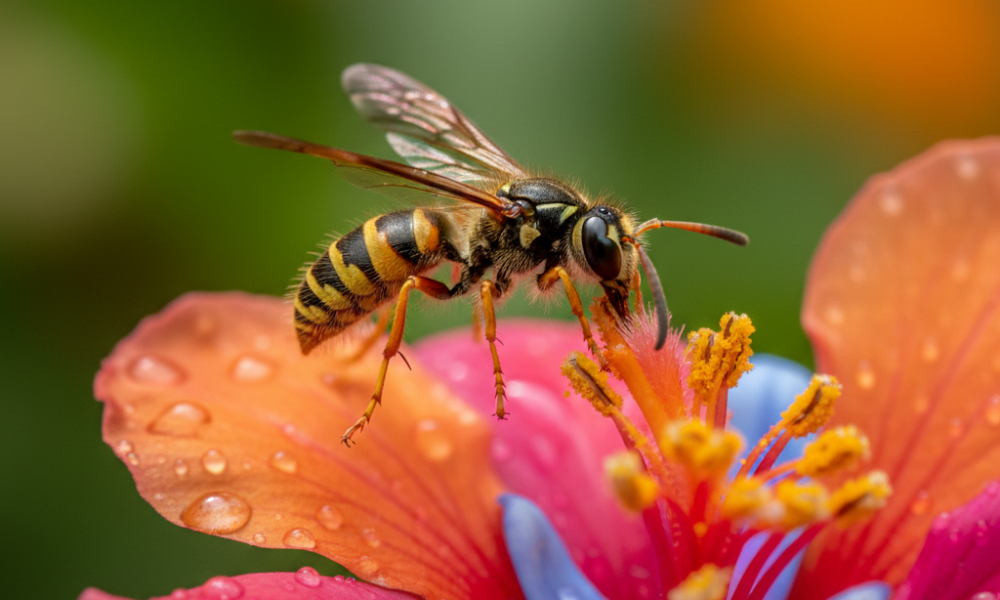
Decoding the Sweet Mystery: Do Wasps Make Honey?
When the conversation turns to golden, sugary nectar, honey bees vs wasps is rarely a debate most people entertain. The immediate association with honey is the industrious bee, filling hexagonal wax combs with winter stores. Yet, the insect world is vast and full of evolutionary surprises. While the short answer for the majority of species is no, wasps and honey share a more complex relationship than simple biology suggests. Understanding wasp behavior reveals that while they are primarily hunters, nature has carved out fascinating exceptions that challenge our standard definitions of honey production.
Most vespids are carnivorous predators, acting as nature’s pest control rather than its confectioners. However, strictly categorizing them all as non-producers overlooks the incredible diversity within the Hymenoptera order. To truly understand if do wasps make honey, one must look past the common yellowjacket and explore the tropical forests where the rules of wasp biology shift dramatically.
Evolutionary Differences Between Bees and Wasps
The primary reason for the lack of honey production in most wasp species boils down to lifestyle and dietary needs. Honeybees create honey as a carbohydrate-dense fuel source to survive cold winters when foraging is impossible. Their colonies are perennial, meaning the hive survives year-round. In contrast, most wasp colonies in temperate climates are annual; they die off as winter approaches, leaving only new queens to hibernate. Without a colony to feed through the cold months, the evolutionary pressure to store large quantities of energy-rich food simply does not exist for them.
Furthermore, the physiological makeup of these insects dictates their roles. Bees have specialized hairs (scopa) or baskets (corbicula) for carrying pollen, while wasps have smooth bodies adapted for hunting. This distinction impacts how they interact with flowers and what they bring back to the nest.
- 🐝 Dietary Focus: Bees rely entirely on plant-based protein (pollen) and carbohydrates (nectar).
- 🦟 Predatory Nature: Wasps feed their larvae chewed-up insects, providing a protein-rich carnivorous diet.
- ❄️ Winter Survival: Bee colonies huddle and consume stored honey; wasp colonies typically perish, rendering long-term storage unnecessary.
- 🏠 Nest Composition: Bees secrete wax for combs; wasps construct wasp nests from chewed wood fibers (paper).
| Feature | Honeybees (Apis mellifera) | Common Wasps (Vespula) |
|---|---|---|
| Primary Food Source | Nectar and Pollen | Insects, Spiders, Fruit Nectar |
| Food Storage | Extensive Honey Stores (Winter) | Minimal to None |
| Colony Lifespan | Perennial (Multi-year) | Annual (One season) |
| Ecological Role | Primary Pollinator | Pest Controller & Occasional Pollinator |
The Mexican Honey Wasp: Nature’s Exception
Just when the biological rules seem set in stone, the Mexican honey wasp (Brachygastra mellifica) emerges to disrupt the narrative. Found in the neotropics, ranging from Texas to South America, this unique species defies the standard “carnivorous wasp” label. Unlike their temperate cousins, these wasps live in perennial colonies that do not die off in winter. This shift in lifecycle creates the necessity for long-term food storage, leading to genuine insect honey production.
These wasps construct large, paper nests in tree canopies, which can house thousands of individuals. Within these paper combs, they store nectar that is processed into a honey-like substance. This adaptation allows the colony to survive during dry seasons or periods when floral resources are scarce. It serves as a potent reminder that wasp biology is highly adaptable to environmental demands.
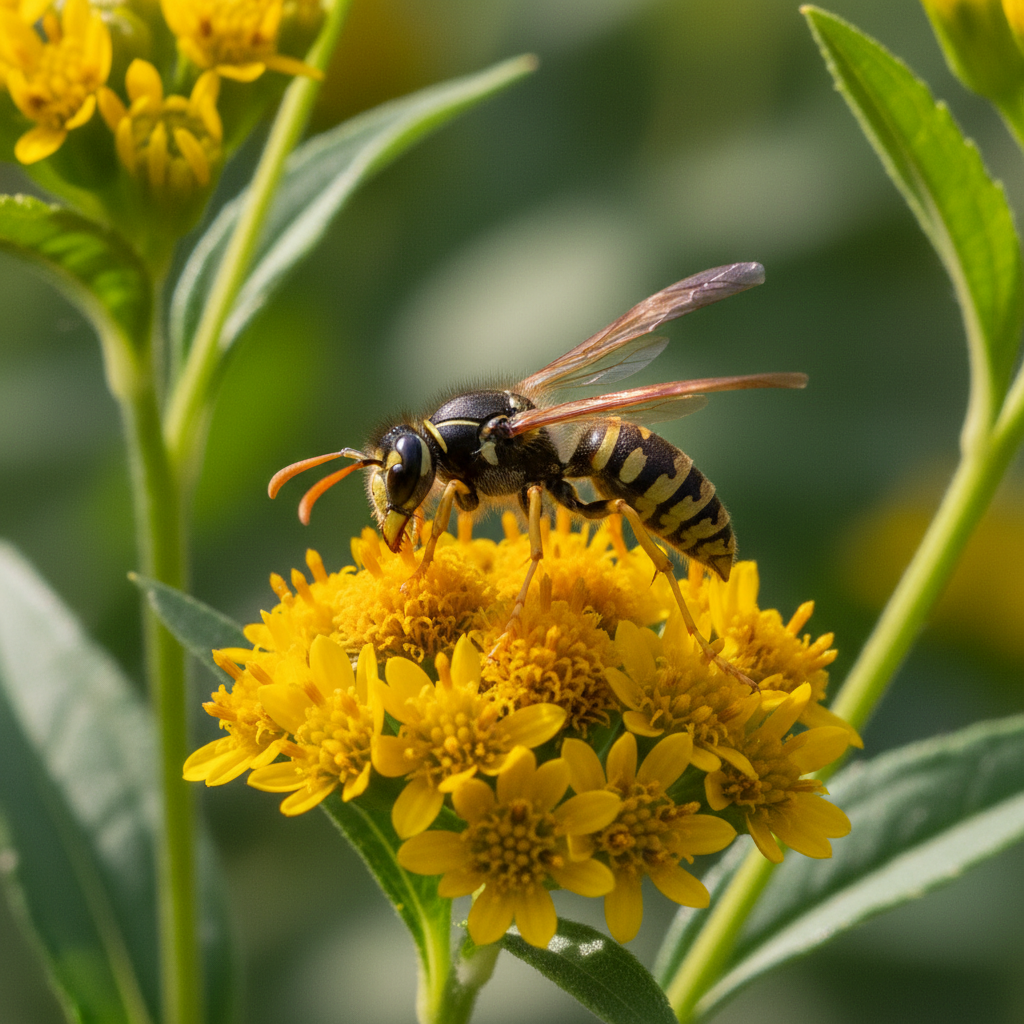
Characteristics of Wasp Honey
The substance produced by Brachygastra mellifica is chemically distinct from bee honey. While it is derived from nectar, the processing enzymes and the storage vessel (paper instead of wax) alter its final composition. Historically, indigenous communities have practiced honey harvesting from these nests, viewing it as a valuable food source and medicinal aid. However, the quantity produced is negligible compared to a beehive, making it a rare botanical curiosity rather than a commercial commodity.
- 🍯 Consistency: Often more watery and less viscous than bee honey due to different evaporation rates in paper combs.
- 😋 Flavor Profile: Frequently described as having a “tangy” or slightly acidic undertone, differing from the smooth sweetness of clover honey.
- 🧪 Composition: Contains a mixture of glucose and fructose, but lacks some of the specific antibacterial enzymes found in Apis mellifera honey.
- ⚠️ Toxicity Risk: Because wasps forage on a wider variety of plants, including toxic ones like Datura, their honey can sometimes be psychoactive or poisonous.
| Attribute | Bee Honey | Wasp Honey (Brachygastra) |
|---|---|---|
| Storage Material | Beeswax Combs | Paper (Wood Fiber) Combs |
| Harvest Scalability | High (Commercial Industry) | Low (Opportunistic/Local) |
| Edibility | Generally Safe | Variable (Depends on forage) |
Ecological Roles: Beyond the Sweet Stuff
While the topic of do wasps make honey often steals the spotlight, the ecological contribution of wasps extends far beyond their ability to produce sweets. They are the unsung heroes of pest management. A world without wasps would see a massive resurgence in agricultural pests, as they consume tons of aphids, caterpillars, and flies annually. Their hunting grounds protect crops and gardens, reducing the human reliance on chemical pesticides.
Additionally, while they lack the fuzzy bodies of bees, wasps are incidental pollinators. As they visit flowers to fuel their own flight with nectar, they transfer pollen between blooms. This is particularly true for specific orchids and figs, which rely exclusively on certain wasp behavior for reproduction. Their role in the ecosystem is a balance of predation and pollination, crucial for biodiversity in 2025 and beyond.
Safety and Coexistence
Understanding that most wasps are seeking protein or sugar helps in managing interactions with them. The aggressive reputation usually stems from defense of the nest or late-season scavenging when natural food sources dwindle. Recognizing their role helps shift the perspective from fear to appreciation of their biological complexity.
- 🚫 Don’t Swat: Rapid movements trigger defense mechanisms; staying still is safer.
- 🥤 Cover Food: In late summer, wasps scavenge for sugar; open sodas are magnets.
- 🌸 Plant Choices: Biodiversity encourages natural balance; wasps regulate other insect populations in the garden.
- 🏠 Nest Awareness: Most wasps return to the same nest area; identify high-traffic zones early in the season.
| Role | Impact on Ecosystem | Benefit to Humans |
|---|---|---|
| Predation | Controls insect populations | Natural Pest Control (Agriculture) |
| Scavenging | Recycles organic matter | Reduction of decaying material |
| Pollination | Supports plant reproduction | Maintains biodiversity |
Is wasp honey safe for humans to eat?
Generally, honey from the Mexican honey wasp is edible and has been consumed by indigenous peoples for centuries. However, it carries a higher risk than bee honey. Wasps may forage on toxic plants like Datura, which can render the honey poisonous or psychoactive. Without commercial regulation, consuming it requires expert local knowledge.
Why don’t yellowjackets or hornets make honey?
Yellowjackets, hornets, and most paper wasps live in annual colonies that perish in the winter. They do not need to store energy-rich food for cold months, unlike honeybees that overwinter as a colony. Their biological focus is on predatory feeding of larvae rather than long-term nectar storage.
What does wasp honey taste like?
Those who have tasted honey from Brachygastra mellifica describe it as having a distinct flavor profile compared to bee honey. It is often reported to be less cloyingly sweet, with notes that can be tangy, earthy, or even slightly sour, depending heavily on the local floral sources available to the wasps.
How can I tell a wasp nest from a beehive?
Beehives in the wild are often found in hollow trees and consist of vertical wax combs. Wasp nests are typically made of a grey or brown paper-like substance created from chewed wood fibers. They can be found hanging from branches, under eaves (paper wasps, hornets), or hidden underground (yellowjackets).

Jordan has a knack for turning dense whitepapers into compelling stories. Whether he’s testing a new OpenAI release or interviewing industry insiders, his energy jumps off the page—and makes complex tech feel fresh and relevant.

Comments are closed