
AI-Native Browsing With ChatGPT Atlas: The Productivity Multiplier in 2025
The shift from passive to AI-native browsing is redefining knowledge work. Instead of juggling tabs, pasting quotes into notes, and constructing summaries by hand, the ChatGPT Atlas AI companion infuses conversational intelligence directly into the page. The assistant reads, prioritizes, and synthesizes, so professionals move from hunting for information to acting on it. For cross-functional teams coordinating on Microsoft and Google suites, this means decisions are grounded in timely context, not guesswork.
What makes this evolution decisive is not a single feature, but the orchestration of page-aware summaries, in-line writing help, memory, and an early agent mode that can execute multi-step tasks. Rather than bouncing between extensions, all capabilities sit in one coherent layer. This unification trims overhead and reduces context loss, two hidden taxes on productivity that compound throughout the day.
Consider a product manager validating a go-to-market draft. With Atlas, long competitor pages are condensed, claims are checked against multiple sources, and the draft is refined in place with tone suggestions akin to what Grammarly provides—yet informed by the very page in view. For leaders aiming to operationalize best practices across functions, this is the difference between a tool and a multiplier.
From Tabs to Outcomes: Why This Matters
Atlas changes the baseline from reading to reasoning. It retrieves relevant facts, ranks them by intent, and maintains the thread across queries. The memory component can recall “the APIs scanned last Friday” or “pricing pages visited for Vendor B,” reducing the searching and re-searching loop. Privacy controls allow memory to be opt-in, with incognito sessions when confidentiality is required.
- ⚡ Time compression: summarize, compare, and decide faster without tab overload.
- 🧭 Context continuity: ask follow-ups like “compare this to last week’s report” and keep momentum.
- 🧠 Lower cognitive load: offload recall and routine drafting to an assistant that “sees” the page.
- 🛡️ Privacy by design: memory toggles, transparent storage, and incognito for sensitive work.
- 🔌 Unified stack: fewer extensions, tighter orchestration with tools like Slack, Notion, and Dropbox.
For readers comparing ecosystems, third-party analyses such as the ChatGPT 2025 review and the landscape snapshot in GPT-4, Claude 2, and Llama 2 outline how rapidly the foundations have matured.
| Workflow aspect ⚙️ | Traditional browser 🧩 | ChatGPT Atlas 🚀 |
|---|---|---|
| Reading long reports | Manual scanning; external notes | Inline summaries and highlights |
| Comparisons | Multiple tabs, spreadsheets | Context-aware side-by-side comparisons |
| Drafting | Separate editor + copy/paste | On-page rewrites, tone, clarity suggestions ✍️ |
| Recall | History search, bookmarks | Natural language memory queries 🧠 |
| Automation | Fragmented extensions | Agent mode for multi-step tasks 🤖 |
Key takeaway: an AI-first browser converts the web from static pages into a responsive workspace where research, writing, and action converge.

Research, Summaries, and Decisions: Turning Web Pages Into Actionable Briefs
Teams frequently need fast clarity: What’s the executive summary of this 8,000-word whitepaper? How do three vendors differ on pricing tiers? Atlas compresses these efforts into guided conversations. It not only summarizes but also answers targeted questions, such as “Highlight regulatory risks for deployment in the EU,” so subject-matter experts can focus on evaluation instead of extraction.
Atlas also mitigates bias by pulling from multiple sources. Instead of reading one glowing case study, users can request a balanced view—pros, cons, and contradictions. For those tracking the broader AI market, posts like OpenAI vs xAI and ChatGPT vs Claude help frame vendor trade-offs before procurement or pilot design.
A Field Scenario: The Analyst’s Daily Loop
Imagine a media agency preparing client guidance on search changes. With Atlas, the analyst asks for a current digest of ranking shifts, compares viewpoints from industry outlets, and drafts a 300-word client update. The assistant references the active page, brings in corroborating data, and proposes a neutral tone suitable for a cross-functional audience. The result is sharper, faster, and verifiable.
- 📚 Digest complex sources: condense reports, legislation, and standards into key points.
- 🔍 Cross-verify claims: request “show conflicting data” to reduce blind spots.
- 📝 Draft instantly: generate executive briefings, FAQs, and follow-up emails in-page.
- 🔗 Share outcomes: circulate summaries via Slack or Notion with one step.
- 📅 Set reminders: pin findings for later retrieval using natural language queries.
Those building repeatable playbooks can explore plugins power in 2025 and the new apps SDK to standardize prompts and outputs across teams. For polishing, the inline assistance pairs well with the style checks professionals expect from tools like Grammarly.
| Use case 🎯 | Atlas capability 🧠 | Outcome ✅ |
|---|---|---|
| Vendor vetting | Summaries + comparisons | Faster, documented shortlists 🗂️ |
| Policy tracking | Follow-up Q&A on the same page | Clear impact notes for compliance 🛡️ |
| Executive briefs | On-page drafting | Ready-to-send updates in minutes ⏱️ |
| Bias checks | Multi-source synthesis | Balanced, defensible recommendations ⚖️ |
For visual learners, an overview demo can speed adoption.
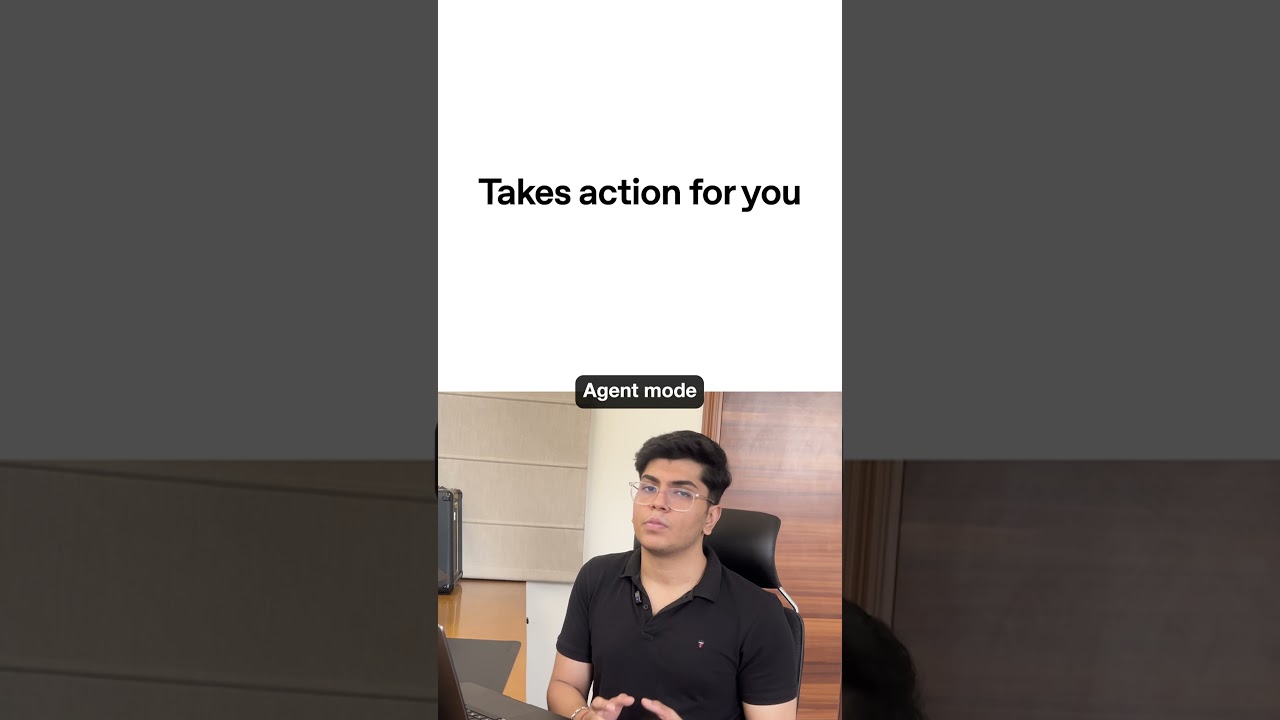
Bottom line: research becomes a conversation that ends with an actionable brief, not a pile of tabs.
Agent Mode, Memory, and Privacy: Automating Multi‑Step Work Without Losing Control
Atlas’s early agent mode executes compound tasks: gather flight options under a budget, compare hotels near a venue, and surface restaurants matching dietary needs. It then drafts a trip plan that can be pasted into Asana or Trello for team visibility. The workflow still keeps the human in the loop—approvals and edits are one message away—yet the repetitive clicks are already handled.
The memory system is equally pivotal. With explicit consent, it remembers pages, notes, and actions tied to a project. Ask, “Bring back the energy-policy articles saved on Tuesday,” and the assistant assembles relevant pages plus your prior highlights. For sensitive work, incognito sessions keep nothing. Security-conscious teams can review threat considerations in resources like AI browsers and cybersecurity before enabling memory broadly.
Privacy By Design That Still Delivers Speed
Decision-makers often assume memory conflicts with confidentiality. In practice, controls make it selective and transparent: opt-in per workspace, per session, or per task. This granularity enables regulated teams to benefit from recall in non-sensitive contexts while isolating protected workflows. The assistant’s transparency about what is stored and when it is forgotten builds trust without sacrificing performance.
- 🧭 Guided autonomy: the agent executes steps, users approve outputs.
- 🔒 Selective memory: enable for research, disable for client-confidential tasks.
- 📁 Project tagging: retrieve by “Marketing Q3” or “Hiring Ops” instead of URLs.
- 🧾 Auditability: keep result logs for procurement or compliance reviews.
- 🌐 Shared summaries: export to Slack, Notion, or Dropbox for alignment.
A fictional case illustrates scale: a sustainability firm planning a conference presence asks the agent to prepare travel options for five teammates, compile booth vendor requirements, and assemble a neighborhood briefing for client dinners. The planner reviews one consolidated output, adjusts constraints, and confirms bookings manually. The time recovered is reinvested in strategy and partner outreach.
| Control 🔐 | Best for 🧩 | Benefit 🌟 |
|---|---|---|
| Opt‑in memory | General research | Natural-language recall of sources 🧠 |
| Incognito sessions | Confidential projects | No storage; clean slate each time 🧽 |
| Agent approvals | Multi-step tasks | Human oversight on critical actions 👀 |
| Export logs | Compliance reviews | Traceable decisions and inputs 📜 |
For organizations weighing ecosystem choices, comparative insights such as company insights on ChatGPT and evolution pieces like open-source collaboration highlights can inform governance and vendor strategy.
The practical insight: automation succeeds when paired with clear guardrails and review loops.

Seamless Workflows: Integrations With Microsoft, Google, Slack, Notion, Asana, Trello, Dropbox, Zapier, and Grammarly
Atlas is most potent when embedded in daily tools. Teams living in Microsoft 365 and Google Workspace can draft and refine docs in the browser, then push outputs to shared drives. Channel updates flow into Slack; playbooks and briefs land in Notion; tasks auto-populate Asana or Trello; files sync to Dropbox. Through automations orchestrated by Zapier, a single research session can trigger multi-app updates without duplicate effort.
In-line writing help complements editorial workflows. If a sales engineer needs a succinct product explanation, on-page suggestions sharpen clarity and tone, similar to a style assistant. Combined with organizational templates, teams establish consistent voice without bottlenecks. This is especially valuable when communicating complex AI topics to non-technical stakeholders.
From One Research Thread to a Cross-App Hand‑Off
A repeatable pattern emerges: summarize a source, transform it into audience-specific snippets, and distribute to the right channels. For example, an analyst’s market brief becomes a Slack update, a Notion knowledge card, a Trello checklist for follow-ups, and an Asana task for leadership review—no context lost, no manual copy-paste.
- 🔗 One-click distribution: send outputs to Slack threads and Notion pages.
- 📌 Actionable tasks: auto-create Asana or Trello tickets with acceptance criteria.
- 🗂️ Shared storage: archive artifacts in Dropbox with project tags.
- 🤝 Consistency: leverage Grammarly-like tone controls for brand voice.
- ⚙️ Automation: route updates via Zapier to reduce swivel-chair work.
Developers and ops leaders can standardize pipelines using the new apps SDK, while PMs improve prompt quality with guides like prompt optimization. For collaborative reviews, practices such as sharing ChatGPT conversations streamline hand-offs without recreating context.
| Tool 🔌 | How it pairs with Atlas 🤝 | Result 📈 |
|---|---|---|
| Slack | Publish summaries to channels | Faster team alignment 🧭 |
| Notion | Create living knowledge cards | Searchable institutional memory 📚 |
| Asana / Trello | Auto-generate tasks from briefs | Clear ownership and deadlines ⏱️ |
| Dropbox | Archive outputs and sources | Traceable artifacts for audits 🧾 |
| Zapier | Connect triggers across apps | Hands-free updates and alerts 🔔 |
The synthesis: real productivity gains arrive when insights flow automatically into the tools where teams execute.
Strategic Adoption, SEO, and Team Rollouts: From Pilot to Organization‑Wide Wins
Adopting AI-native browsing is a change-management exercise as much as a technology choice. Leaders should start with a pilot team—marketing research, sales enablement, or policy analysis—and measure cycle time reductions and content quality improvements. Benchmarks and vendor context from sources like ChatGPT Atlas AI companion and ecosystem reviews such as ChatGPT vs Claude or OpenAI vs xAI can help frame procurement and roadmap decisions.
For SEO and content teams, Atlas accelerates research, topic clustering, and meta optimization. It compiles multi-source insights, identifies content gaps, and drafts outlines tailored to search intent. Internal linking becomes systematic: while writing, the assistant suggests relevant pages to reference, improving navigation and signaling topical authority to search engines. Analysts can consult trend reviews like the ChatGPT 2025 review when calibrating editorial calendars.
Governance, Guardrails, and Metrics That Matter
Clear policies reduce friction: where memory is permitted, when incognito is required, and how agent mode is supervised. Training should emphasize verifying critical claims and keeping humans responsible for final approvals. Over time, leaders can expand to additional teams, integrate role-specific templates, and formalize metrics tied to cycle time, error rates, and reader engagement.
- 🧪 Pilot first: pick a tractable use case with measurable outcomes.
- 📏 Instrument the workflow: track before/after time to insight and revision counts.
- 🧯 Set safety rails: approvals for agent actions and guidance for source quality.
- 📚 Upskill the team: provide prompt libraries and examples of strong outputs.
- 🔁 Iterate: review results monthly and refine prompts, templates, and policies.
Technical buyers comparing model families and browsing capabilities can draw on resources such as GPT-4, Claude 2, and Llama 2. For sector-prioritization and macro perspective, strategic updates like innovation accelerators across regions offer context for investment and training plans.
| Team role 👥 | Atlas boost ⚡ | Metric to watch 📊 |
|---|---|---|
| Content marketing | Topic clustering, outlines, meta suggestions | Time to publish; organic CTR 📈 |
| Sales enablement | Battlecards and competitor briefs | Ramp time; win rate 🎯 |
| Analyst / researcher | Multi-source synthesis, bias checks | Research cycle time ⏱️ |
| Operations | Agent-driven checklists and updates | Task completion throughput 🛠️ |
| Compliance | Traceable summaries and logs | Review time; exception rate 🧮 |
The strategic point: treat Atlas as an operating system for knowledge work, guided by governance and measured by impact.
Power Prompts, Verification Habits, and Future-Proof Skills for Atlas Browsing
Skillful prompting transforms Atlas from a helpful tool into an expert collaborator. Effective prompts specify the audience, desired format, length, and evaluation criteria—then invite revision. Teams that write prompts like product requirements see higher fidelity outputs and fewer revision loops. For structure and consistency, reusable prompt libraries reduce variance across authors and projects.
Verification remains non-negotiable. Atlas is built to cite and cross-reference, so professional teams should request source lists, conflicting viewpoints, and caveats. Policies can define which sources qualify as “trusted” and when a second pair of eyes is mandatory. For further reading, operational guides such as prompt optimization are valuable for coaching and onboarding.
Habits That Compound Daily
Teams that combine concise prompts with quick post-edits enjoy a flywheel: better outputs feed better prompts. Saving strong examples creates a reference library, and sharing exemplars improves organizational style. To maintain continuity across quarters, practices like accessing archived conversations ensure institutional knowledge doesn’t fragment.
- 🧩 Constrain the task: audience, format, and criteria in one sentence.
- 🧪 Ask for alternatives: two contrasting drafts expose blind spots.
- 🔎 Demand citations: verify high-stakes claims before publishing.
- 📚 Save exemplars: build a library of successful outputs.
- 🗣️ Share patterns: socialize best prompts in Slack or Notion for reuse.
Finally, remember that browsing is one layer in a competitive landscape. Comparative discussions like ChatGPT vs Claude and ecosystem surveys such as OpenAI vs xAI are useful for horizon-scanning and procurement planning as capabilities evolve.
| Practice 🛠️ | Prompt example 💬 | Benefit 🌟 |
|---|---|---|
| Audience-first | “Summarize this page for CFOs in 150 words with 3 risks.” | Relevance and brevity 🎯 |
| Compare/contrast | “List 5 differences between Vendor A and B with citations.” | Decision clarity ⚖️ |
| Evidence check | “Surface conflicting sources and rate credibility.” | Bias reduction 🧭 |
| Actionable output | “Convert key points into an Asana checklist.” | Immediate execution ✅ |
The durable edge comes from cultivating prompt discipline, verification, and shared patterns that scale across the organization.
How does ChatGPT Atlas differ from traditional browsers for productivity?
Atlas embeds a conversational, page-aware assistant that summarizes, compares, drafts, and retrieves prior work via natural language. Instead of juggling tabs and extensions, users interact with one AI layer that keeps context, remembers with consent, and automates multi-step tasks through agent mode.
Is it safe to use Atlas for sensitive projects?
Yes—use incognito sessions to prevent storage, restrict memory to approved projects, and require human approvals for agent actions. Security reviews like AI browsers and cybersecurity provide useful checklists for IT teams implementing guardrails.
Which everyday tools pair best with Atlas?
Slack and Notion for sharing insights, Asana or Trello for tasking, Dropbox for archiving, Grammarly-style tone guidance for polish, and Zapier to route outputs. Integration patterns with Microsoft and Google suites make cross-team hand-offs seamless.
How can teams standardize quality across Atlas outputs?
Create prompt libraries, define source quality tiers, and require citations for high-stakes claims. Resources like prompt optimization and sharing ChatGPT conversations help build repeatable, auditable workflows.
Where can teams learn more about the ecosystem and roadmap?
Landscape reviews such as ChatGPT 2025 review, model comparisons like GPT‑4, Claude 2, and Llama 2, and vendor perspectives in OpenAI vs xAI provide context for pilots, procurement, and training plans.

Rachel has spent the last decade analyzing LLMs and generative AI. She writes with surgical precision and a deep technical foundation, yet never loses sight of the bigger picture: how AI is reshaping human creativity, business, and ethics.

Comments are closed