
How vape detectors are transforming school safety in 2025: data-driven visibility without surveillance creep
Across campuses large and small, vape detectors have shifted from experimental pilots to staple components of school safety strategies. The turning point came as districts needed a way to address vaping in bathrooms and locker rooms—spaces where staff cannot constantly supervise. In 2023, the CDC estimated more than 2.1 million U.S. middle and high school students used e-cigarettes, with nearly 90% favoring flavored products. Those numbers translated into daily disruptions, health complaints, and a growing sense that traditional smoke detection and hallway patrols were no match for discreet e-cig devices.
What changed in 2025 is not just hardware, but a mindset. Schools now combine air quality sensors and analytics with clear policies and student support, turning events into teachable moments rather than simply issuing penalties. A Florida district publicly reported more than a 26% reduction in incidents after rollouts in secondary school bathrooms; leaders there paired alerts with progressive discipline, parent pledges, and a focus on counseling. The approach signals a broader shift: vaping prevention works best when health services, campus operations, and technology align.
Two concerns—privacy and accuracy—have dominated the conversation. The newest detectors address both. They do not use cameras or live microphones, instead relying on particulate, humidity, VOC, and temperature patterns tied to vaporized substances. Machine learning filters reduce false positives from deodorant sprays or steam. In practice, that means fewer unnecessary interventions and faster responses when vaping actually occurs. Administrators receive real-time notifications through mobile apps, often with location precision that avoids wide net searches.
Why does this matter for student health? Exposure to aerosolized nicotine and THC doesn’t just impact those vaping. Non-vaping students and staff breathe the same air, sometimes reporting headaches or irritation. In confined restrooms, repeated clouds can degrade air and create social discomfort. Detectors that trigger a response improve indoor air quality and reduce peer pressure hot spots. Simultaneously, patterns in the data—time of day, location spikes—help target instruction and outreach. That difference between blanket discipline and tailored support is where modern technology in schools starts to look like a wellness tool.
The practical question for any superintendent: how do schools make the leap without inflaming fears of overreach? The answer lies in transparent policies, clear purpose statements, and staff training. Districts that succeed typically publish what is and isn’t monitored (no audio/video), share escalation paths, and involve students in awareness campaigns. The tone matters. When detectors are framed as part of a balanced campus security and health program—akin to AEDs and improved ventilation—acceptance grows and outcomes improve.
In short, vape detection in 2025 isn’t a spy tool; it’s a smart sensor network stitched to humane protocols. And as the next section explains, the science under the hood is both more nuanced and more reliable than most realize.
- 📈 Reduced incidents where detectors and education are paired
- 🛡️ Privacy-first design: no cameras or live mics inside restrooms
- 🔔 Real-time, location-specific alerts to staff mobile apps
- 🌬️ Better indoor air for non-vaping students and staff
- 🤝 Stronger trust when policies are transparent and supportive
| Driver 🚀 | What changed in 2025 🔧 | Impact on schools 🎓 |
|---|---|---|
| Rising teen vaping | Smarter innovations in sensing and ML | Fewer incidents; targeted vaping prevention |
| Privacy concerns | Audio/camera-free sensing by default | Higher trust and clear school safety rules |
| Operational load | Mobile alerts, dashboards, integrations | Faster response; less disruption to learning |
With the “why” established, the next step is understanding exactly how these devices separate vapor from everyday aerosols in busy school environments.

Inside the sensors: how vape detectors distinguish vapor from everyday aerosols
At the heart of modern vape detection is a fusion of air quality sensors, edge computing, and cloud analytics. Unlike legacy smoke detection systems designed for combustion, vape detectors target the unique signatures of aerosolized liquids used in e-cigarettes and, in some cases, THC-containing devices. The sensor stack usually includes VOC detection, particulate measurement (often focusing on sub-micron changes), humidity mapping, and temperature tracking to capture the transient microclimate left by a puff.
Imagine a short burst in a bathroom: humidity rises slightly, aerosol particles spike in a specific size band, and certain volatile compounds appear at trace levels. The device samples the air multiple times per second, and local firmware runs a classification model trained to differentiate steam or deodorant from vaporized propylene glycol, vegetable glycerin, and flavoring agents. If the composite signal crosses a threshold for a sustained interval—configured to reduce nuisance alerts—the detector flags an event and transmits data to the admin console, often with room-level precision.
False positives once plagued early deployments. In 2025, vendors leverage model updates informed by anonymized fleets, meaning detectors “learn” seasonal patterns (winter steam from hot water), common products (a popular body spray), and building idiosyncrasies (older HVAC cycles). Importantly, the devices do not record speech or video. Some units offer optional noise analytics that only quantify decibel patterns, not content. This can help indicate bullying or tampering attempts without capturing conversations, preserving privacy while supporting school safety.
Can detectors differentiate nicotine from THC? Some solutions perform broader drug detection in the sense of recognizing aerosol patterns consistent with cannabis vaping, though precise chemical speciation remains challenging in real time. Most schools combine sensor alerts with administrator follow-up: quick welfare checks, exterior corridor cameras (not inside restrooms), and, when appropriate, SRO coordination. Data is then logged to analyze trends—what days, which periods—so educators can target vaping prevention lessons where they matter most.
Placement strategy also boosts accuracy. Ceilings above stalls, outside locker rows, and near low-ventilation corners capture more reliable readings. Devices are typically tamper-resistant, triggering alerts if covered or removed. Power and network depend on building layout: PoE simplifies installs and uptime monitoring, while cellular gateways help older sites with spotty Wi-Fi.
Calibration is ongoing. Districts schedule quarterly health checks to recalibrate thresholds and update firmware. A balanced configuration aims for rapid detection of real events while ignoring innocuous aerosol bursts from sanitation routines. That “tuning” is what keeps administrators confident and students from feeling policed for simply washing hands after gym.
- 🧪 VOC, particulate, humidity, and temperature signals combine for classification
- 🤖 Edge ML reduces lag and filters false positives
- 🔒 Privacy: no cameras/mics in restrooms; optional decibel-only analytics
- 🛠️ Tamper alerts enhance campus security
- 📊 Event histories inform targeted education and staffing
| Signal type 🧭 | Primary role 🎯 | Notes for schools 📝 |
|---|---|---|
| VOCs | Identify aerosolized compounds | Helps differentiate vapor vs steam |
| Particulates | Track sub-micron spikes | Useful against deodorant false alarms |
| Humidity/Temp | Detect microclimate changes | Strengthens confidence of classification |
| Noise/Motion (optional) | Surface gatherings or tampering | Decibel-only; content not recorded 🔇 |
With the science demystified, operational success hinges on where detectors go, how alerts flow, and how schools communicate the purpose—topics explored next.

For district leaders mapping deployments, real-world case studies sharpen the picture—especially when policy and placement are aligned.
From pilot to district-wide: deployment playbook that strengthens school safety without over-surveillance
Successful rollouts treat vape detection as part of a holistic plan, not a gadget drop. A helpful mental model is “people, places, policies.” Start with use cases, bring in health and counseling teams, and align with facility managers who know airflows, vents, and student traffic. A fictional example—Riverside Unified—mirrors what many districts do: pilot five restrooms in two schools, measure alert volume and staffing impact for six weeks, then scale to all secondary campuses with lessons learned baked in.
Placement is more art than formula. High-traffic bathrooms near cafeterias might need denser coverage, while locker rooms benefit from units placed away from showers to avoid steam. Signage matters too: clear, positive language (“This restroom is protected by air-quality technology supporting student wellness”) reduces tampering and builds acceptance. Equally important is documenting the alert pathway—who receives the ping, who investigates, and what happens next.
Consider the Florida example shared publicly: after installing sensors in all secondary bathrooms, the district recorded a drop from roughly 750 to ~550 vaping incidents across one school year. They paired the installation with progressive discipline—online courses, a family pledge, and temporary suspension from extracurriculars for first offenses—reserving tougher penalties for repeat or THC cases. This blend of vaping prevention and accountability shows families that schools are serious yet supportive.
Privacy is non-negotiable. Districts that earn trust publish FAQs, clarify that no audio/video is captured inside sensitive spaces, and set guardrails for data retention. Some campuses use a corridor camera outside a bathroom that activates when a detector fires—targeted and time-bound—not to surveil students broadly but to corroborate investigations if needed. Staff training emphasizes de-escalation and wellness referrals alongside policy enforcement.
Funding usually taps multiple streams: school safety grants, health allocations, or opioid settlement funds where drug detection overlaps with cannabis vaping concerns. Facilities teams appreciate PoE simplicity, while IT appreciates SSO and role-based access controls in the admin console. Parents see something more immediate: fewer clouds in bathrooms and more respect for students who avoid vaping but still need a safe place on campus.
- 🧭 Start small: pilot, measure, iterate, then scale
- 🪧 Use positive signage to reinforce wellness, not fear
- 📲 Define alert routing and escalation steps clearly
- 🧑⚕️ Pair enforcement with counseling and education
- 🔐 Publish privacy rules and retention schedules
| Location 🏫 | Risk profile ⚠️ | Recommended setup 🧩 | Notes 📌 |
|---|---|---|---|
| Main bathrooms | High | Ceiling units near vents; medium sensitivity | Peak alert times before/after lunch ⏰ |
| Locker rooms | Medium | Units away from showers; tuned for steam | Coordinate with coaches 🎽 |
| Stairwells | Variable | Slim units; tamper alerts on | Useful during passing periods 🚶 |
When deployments are framed as wellness-forward and policy-backed, detectors become part of the background—quietly strengthening school safety. The next section dives into the health lens and how alerts can open doors to real support.

Health-first responses: turning vape alerts into prevention, counseling, and cleaner air
Effective vaping prevention treats each alert as a signal for support. Schools increasingly direct first-time incidents to education rather than harsh penalties. Online courses explain dependency, a counselor touchpoint surfaces stressors, and extracurricular suspensions are time-limited to reinforce accountability without derailing a student’s semester. Parents sign a pledge to signal a united front. This approach addresses nicotine dependency—an addiction that thrives on secrecy—while keeping dignity intact.
Why is this crucial for student health? Nicotine elevates heart rate, affects concentration, and can prime the brain for later substance issues. THC-vaping introduces additional concerns, from impaired cognition to legal and safety issues, demanding careful protocols. Meanwhile, non-vaping peers deserve bathrooms and gyms where the air isn’t hazy. Detectors help by discouraging hot spots and improving air quality metrics; over time, that translates into fewer nurse visits for headaches or throat irritation.
Data also informs curriculum. If alerts spike before first period, maybe the advisory block needs a mini-lesson on cravings. If one wing shows persistent activity, a peer ambassador group can focus efforts there. Schools collaborate with local health departments so referrals go somewhere meaningful—cessation programs, family outreach, and, where needed, clinical support. Districts also watch for new trends: nicotine pouches (like Zyns) don’t create vapor, so detection shifts to education and responsible confiscation policies. The point is agility: detectors are the early-warning system, but human care drives outcomes.
One subtle win is peer pressure reduction. When students know a restroom is protected by air-quality technology, group vaping sessions are less likely to form. That lowers social risk for students who want to opt out. It also reduces conflict among peers who previously felt forced to “tell an adult” to get relief. In place of cold discipline, schools offer a ladder of support—education, counseling, and, only when necessary, escalated consequences.
Communications matter too. Districts share anonymized trends with parent councils and school boards: fewer incidents, faster responses, and better air. Transparency nurtures trust, which sustains investment. The health narrative—cleaner air, early intervention, and evidence-based instruction—resonates with families across the spectrum.
- 💡 Education-first for first offenses; escalate only as needed
- 🫶 Counseling referrals convert alerts into support
- 🌱 Cleaner restrooms reduce secondhand aerosol exposure
- 🧭 Data-driven lessons hit the right time and place
- 🧩 Partnerships with local health services strengthen outcomes
| Incident path 🛤️ | Primary action 🧭 | Health outcome ❤️ | Notes 🗒️ |
|---|---|---|---|
| First alert | Education module + parent pledge | Awareness; reduced repeat risk | Short extracurricular pause ⛳ |
| Repeat alert | Counseling + structured plan | Support for dependency | Closer monitoring; mentors 🤝 |
| THC-related | Policy-based discipline + referral | Safety and treatment support | Follows district code ⚖️ |
As wellness programs mature, schools increasingly connect detectors with the wider technology in schools stack to curate safer, smarter campuses—which leads to the integration story.
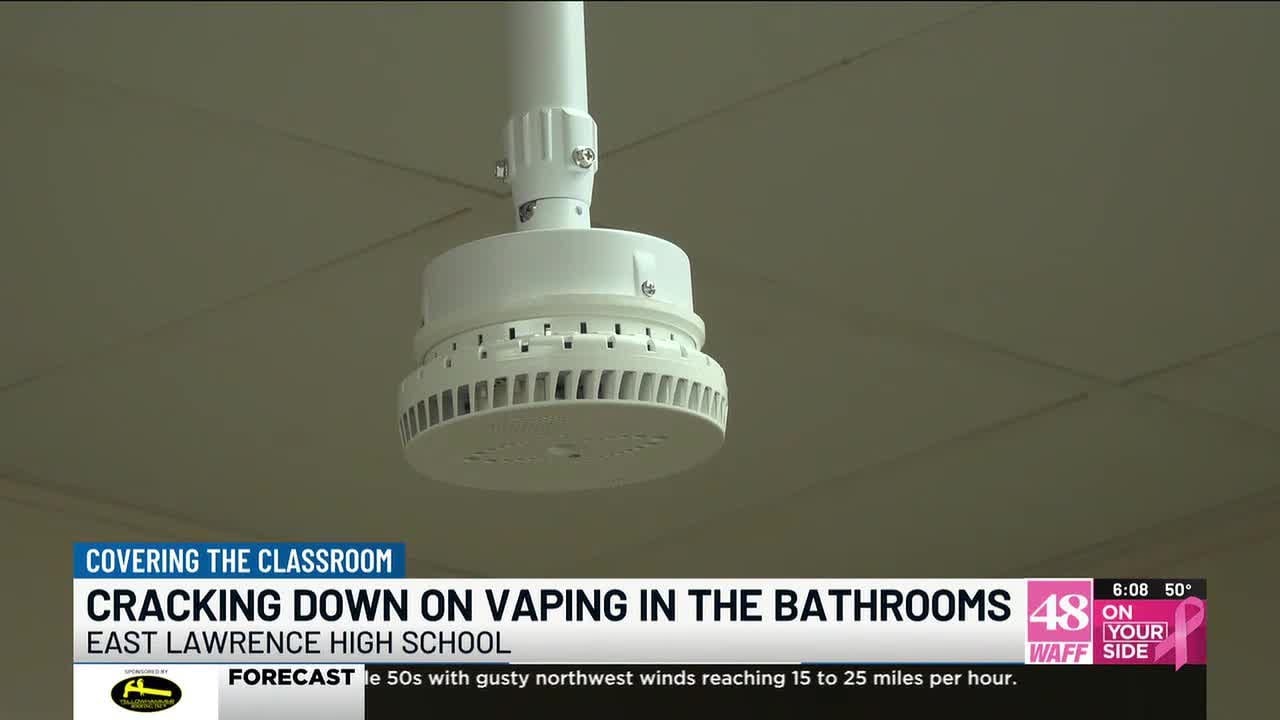
When alerts talk to existing systems, response times shrink and data becomes strategy, not noise.
Integrations that elevate campus security: from instant alerts to intelligent building automations
Vape detection shines brightest when woven into campus security and building systems. Many platforms now integrate with mass notification tools, incident management apps, and even access control or lighting. When a detector triggers, a rules engine can notify the dean on duty, flash a discreet light indicator outside the restroom for staff, and log the event to the safety system—all in seconds. Some districts pair alerts with exterior corridor cameras that begin recording at the moment of detection, preserving privacy while enabling targeted follow-up.
On the IT side, single sign-on and role-based access prevent alert fatigue. Counselors see relevant trends, principals receive summaries, and facilities teams monitor device health and uptime. Dashboards display heat maps of activity and “quiet” zones, guiding both staffing and maintenance. Over time, this helps balance enforcement with vaping prevention—not more patrols everywhere, but smarter presence where needed.
Facilities appreciate how detectors can interface with HVAC systems. If repeated events occur in a poorly ventilated restroom, building automation can increase airflow during peak times. Health teams see the benefit too: better ventilation plus deterrence equals fewer complaints. In athletics facilities, combining detectors with coaches’ alerts helps keep locker rooms safer during after-school hours. Optional decibel analytics, configured to respect privacy, can surface patterns of aggressive noise that may correlate with bullying, triggering supportive interventions.
From a finance perspective, districts track ROI across multiple vectors: fewer instructional interruptions, lower incident processing time, and measurable reductions in repeat offenses. Grant writers leverage those metrics to secure continued funding, especially when detectors are framed as both school safety and public health infrastructure. Procurement teams standardize on models that support PoE, cloud management, and open APIs to future-proof investments.
Crucially, integration is not only about speed—it’s about empathy at scale. The right automation ensures that when a student is struggling, a consistent, supportive response follows, whether it’s the first period on Monday or the last bell on Friday. That consistency builds confidence among staff and families that technology is serving people, not the other way around.
- 🔗 Connect alerts to notification, camera, and incident apps
- 🧩 Use role-based dashboards to reduce noise and focus action
- 🌬️ Tie patterns to HVAC schedules for cleaner air
- 📈 Track ROI across time saved and incidents reduced
- 🛡️ Balance deterrence with student-centered supports
| Integration 🔌 | Value add 💎 | Who benefits 🧑🏫 | Privacy guardrails 🔒 |
|---|---|---|---|
| Mass notifications | Faster, consistent response | Administrators, SROs | Limit to on-duty staff ✅ |
| Camera triggers | Time-bound corridor video | Security teams | No cameras in restrooms 🚫 |
| HVAC automation | Better air quality | Students, staff | Aggregate-only data 📊 |
As integrations scale, the final piece is governance—policies and transparency that keep communities aligned and informed.
Governance, transparency, and the path ahead for vape detection in schools
Technology succeeds when communities understand its purpose and boundaries. Clear governance ensures detectors support health and learning without sliding into overreach. Districts now publish policy playbooks covering placement standards, data handling, and escalation ladders. They specify retention periods (e.g., 12 months for anonymized trend data), audit trails for who accessed what, and the difference between aggregate analytics and individual incidents. Student handbooks add plain-language FAQs to demystify alerts and reinforce that detectors are for wellness, not surveillance.
Equity also matters. Schools serving diverse communities ensure messaging is accessible, translated, and culturally sensitive. Parent nights include demonstrations of the admin dashboard, so families see what staff see. Student advisory groups weigh in on signage and campaign tone, shaping messages that resonate—short videos on craving management, peer support tips, and real talk about nicotine addiction’s grip. This participatory model not only improves outcomes; it builds long-term trust in technology in schools.
Future-proofing is the other governance pillar. As student behavior evolves—such as shifts toward nicotine pouches that produce no aerosol—districts adjust focus to education and confiscation policies rather than sensor reliance. Contracts with vendors prioritize firmware update pipelines, open APIs for integration, and service-level agreements that guarantee uptime and security. Cybersecurity practices align with K–12 frameworks, ensuring detector networks do not become soft targets. Ultimately, governance turns a single device into a resilient system.
Measuring success looks different in 2025. Instead of counting confiscated devices alone, districts track leading indicators: reductions in “hot spot” restrooms, shorter incident resolution times, and improved student survey results about feeling safe using bathrooms. School boards receive quarterly reports that blend qualitative and quantitative insights, moving beyond gotcha metrics to wellbeing dashboards. That data also informs smart resource allocation: more peer mentors here, a health campaign there, and HVAC tweaks where air remains stale.
For communities wondering whether vape detection aligns with values, the best evidence is in balanced outcomes: fewer incidents, cleaner air, and students steered toward help instead of harm. With governance, transparency, and empathy, detectors become a quiet backbone of school safety—not just catching problems, but helping campuses breathe easier.
- 📜 Publish clear policies and retention timelines
- 🗣️ Involve students and families in messaging
- 🔁 Adapt to new trends (e.g., nicotine pouches)
- 🧩 Favor open, secure platforms for longevity
- 📊 Report on wellness indicators, not just discipline
| Governance area 🧭 | Best practice ⭐ | Outcome 🏁 | Emoji cue 🙂 |
|---|---|---|---|
| Privacy | No A/V in restrooms; role-based access | Community trust | 🔒 |
| Transparency | Public FAQs + dashboards | Shared understanding | 🪟 |
| Adaptation | Trend reviews each semester | Relevant policies | 🧭 |
When governance underpins the tech, vape detection turns from a reactive measure into proactive, student-centered infrastructure that supports both learning and health.
Do vape detectors record audio or video inside bathrooms?
No. Modern detectors rely on air-quality signals such as VOCs, particulates, humidity, and temperature. Policies typically prohibit cameras or live microphones in restrooms to protect privacy. Some districts may trigger a corridor camera outside the bathroom at the moment of an alert to align with campus security protocols.
How do detectors avoid false positives from deodorant or steam?
Machine learning models analyze multiple signals over time—VOCs, particle size distribution, humidity, and temperature—to distinguish vaping from common aerosols. Thresholds and dwell times are tuned during deployment, and firmware updates improve accuracy as conditions change.
Can vape detectors identify THC versus nicotine?
Detectors recognize patterns consistent with vaporized substances, and some can flag signatures often associated with cannabis. Precise chemical speciation is limited in real time, so schools pair alerts with policy-based follow-up and, when appropriate, searches conducted by trained staff or SROs.
What’s the best placement strategy for high schools?
Prioritize high-traffic restrooms, locker rooms away from showers, and low-ventilation corners. Use tamper-resistant mounting, PoE where possible, and medium sensitivity to balance responsiveness and nuisance alerts. Review heat maps each quarter and adjust coverage as needed.
How do detectors support student health rather than just discipline?
Alerts trigger education-first responses, counselor referrals, and family engagement. Trends inform targeted vaping prevention lessons and air-quality improvements. Many districts reserve stronger penalties for repeat or THC-related incidents, emphasizing support over punishment.

Jordan has a knack for turning dense whitepapers into compelling stories. Whether he’s testing a new OpenAI release or interviewing industry insiders, his energy jumps off the page—and makes complex tech feel fresh and relevant.

Comments are closed