
Top AI Applications Revolutionizing Interior Design in 2025: Visual Intelligence and Generative Concepting
Photorealistic visualization has shifted from a nice-to-have to a core capability underpinning today’s AI interior design workflows. Generative systems parse a single smartphone photo, infer depth, materials, and lighting, then produce alternative schemes that feel intentional rather than random. Homeowners, realtors, and boutique studios alike now deploy generative renderers to test different palettes, rearrange furniture, and preview natural light changes across the day—all before a single purchase.
Consider “Studio Lumin,” a multidisciplinary team tasked with turning a narrow city living room into a multifunctional lounge. A single image was fed into a generative tool to produce five variations—soft Nordic, warm bohemian, minimal gallery, mid-century mashup, and contemporary loft. Each variation retained the core architecture while changing textiles, lighting temperature, and focal points. The meeting shifted from opinion to evidence, because the visuals were so precise that clients could react to real choices, not abstractions.
Generative platforms also integrate shopping logic. With shoppable catalogs and product-matching, mood boards become carts. Tools modeled on conversational interactions encourage natural prompts like “cooler whites, matte brass accents, keep the oak coffee table,” translating into a coherent, editable scene. The outcome: fewer rounds of guessing and more rounds of doing.
This evolution layers beautifully with machine learning design, which studies past selections to predict what a client will love next. The blend of micro-preferences—armrest height, wood grain, leg style—yields suggestions that feel surprisingly bespoke, shortening the time between ideation and action.
Essential capabilities shaping visual-first design
Leading applications build a common foundation around speed, clarity, and context. What once required days of manual modeling now arrives in minutes, and teams can explore divergent directions without derailing the schedule.
- 🎨 Style-switching on demand for fast comparisons across aesthetics.
- ⚡ High-speed, photorealistic renders that respect existing architecture and lighting.
- 🛒 Shoppable outcomes that link visuals to real products and budgets.
- 🧠 AI driven aesthetics that learn from individual taste signals over time.
- 🧭 Smart prompts that interpret natural language into layout and material changes.
Virtual staging remains a standout for agents and renovators. Sellers can present multiple looks for the same property, increasing online engagement and helping buyers imagine life within the space. When paired with augmented reality previews, hesitation drops because shoppers move from inspiration to immersion in their own rooms.
Culture adds a deeper layer to these visuals. Scandinavian motifs, for example, are resurging—simple shapes, playful color blocking, and artisan references. Designers increasingly cite heritage signals like the Dala horse as iconography that algorithms can understand. A quick read on the story of the Dala horse reveals how symbolic forms travel through time, helping models learn patterns that resonate in contemporary palettes.
Where does robotics fit into this picture-led revolution? Logistics and on-site assembly are quietly becoming smarter through frameworks that coordinate movement and tasks. Insights from ByteDance Astra robotics framework point toward near-future delivery and setup experiences where furniture arrives, self-inventories, and guides installers with AI prompts—reducing damage and delays while bringing the render to life.
| App ⚙️ | Primary Role 🧩 | Standout Feature ✨ | Best For 👥 |
|---|---|---|---|
| Paintit.ai | Generative restyling | Shoppable scenes + rapid renders | Home decorators, content creators |
| Interior AI | Style alternatives | One-photo, multi-look exploration | Quick mood validation |
| Spacely AI | Visual concepts | Ultra-realistic outputs fast | Realtors, staging previews |
| RoomGPT | Instant makeovers | Low-friction ideation | Beginners, fast drafts |
As visual intelligence matures, the metric that matters is not just fidelity—it’s how quickly a team moves from guesswork to consensus. That speed unlocks bolder creativity and better outcomes.
Automated Space Planning and Data-Backed Layouts for Smart Home Design
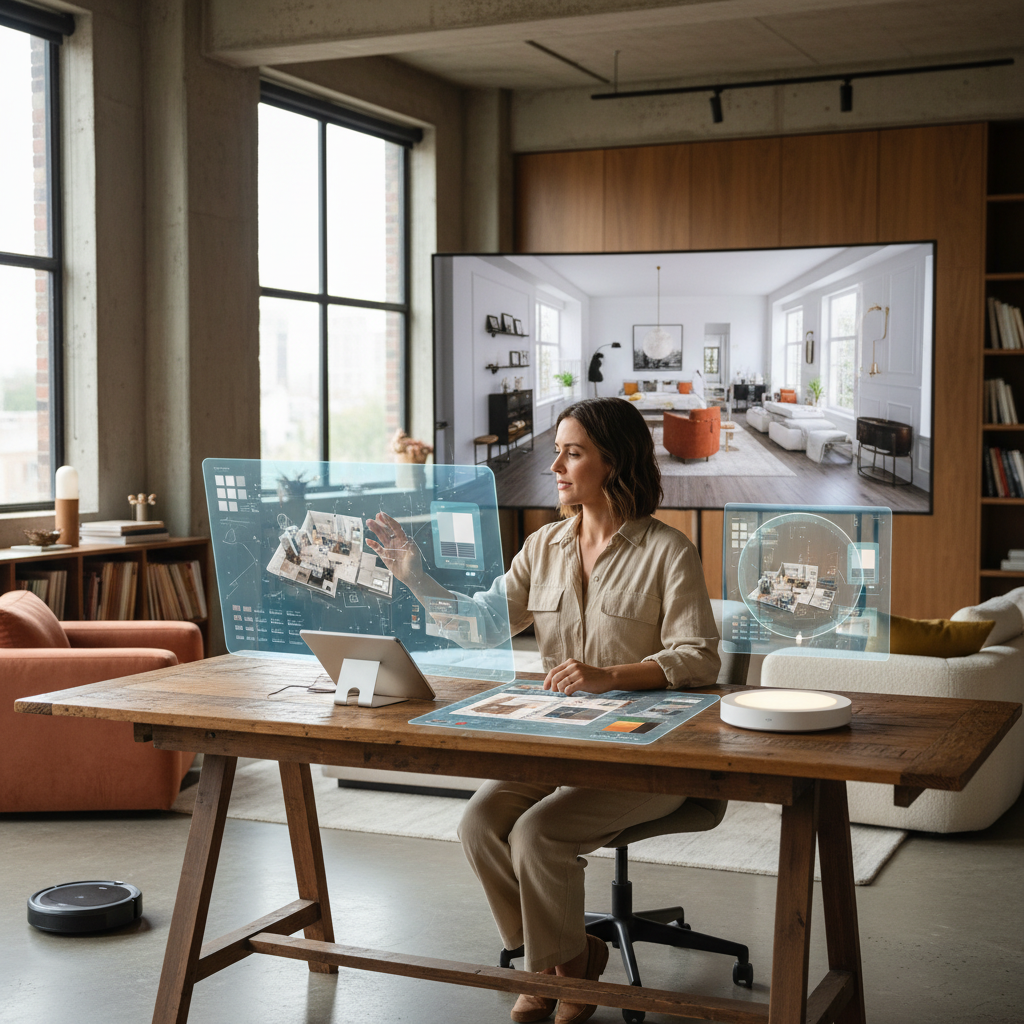
When the brief is tight—an oddly angled studio, a growing family, a multi-use loft—layout is destiny. Automated space planning now evaluates thousands of permutations, accounting for circulation paths, sight lines, storage, acoustics, and even the rhythms of daily life. Instead of relying on a single “best guess,” designers compare evidence-backed options and choose the one that balances feasibility with flair.
In a compact urban kitchen for “Avery,” the system evaluated appliance clearances, door swings, ventilation needs, and light spill from adjacent rooms. It then suggested a flipped work triangle with a peninsula that doubled as a buffer during social gatherings. The revision freed 18% more counter space and reduced trip distance between cooktop, sink, and fridge, small wins that add up to a calmer routine.
Modern planners marry smart home design data with geometry. Heat maps derived from motion sensors identify dead zones that could host shelving or banquettes; voice assistant logs reveal rooms used most at peak hours; energy monitors suggest where better zoning or window treatments will pay off. When these signals inform the layout, homes feel tuned rather than merely furnished.
Tools reshaping the planning narrative
Adaptive layout engines often integrate with BIM and parametric models. The key is combining high-fidelity building data with probabilistic occupancy patterns, ensuring that the solution is both buildable and livable.
- 🧮 Revit with predictive analytics for clash detection and documentation.
- 📐 SketchUp enhanced by automation for repetitive modeling tasks.
- 🏠 Planner 5D for fast floor plans that evolve into detailed 3D scenes.
- 🌿 Sustainability layers that flag materials and energy impacts early.
- 🤖 Coordinated assembly insights inspired by robotic workflows in furnishing.
This is where behind-the-scenes frameworks matter. Research around autonomous delivery frameworks hints at a near future in which complex installs are sequenced like choreography. Imagine modular cabinetry that arrives with a step-by-step mixed-reality guide and sensors that confirm level alignment—speeding up fit-outs and reducing waste.
These methods are reinforced by artificial intelligence models that simulate daylight at different times of year, recommending overhangs or soft sheers to temper glare. The result: rooms that are kinder to eyes and energy bills without sacrificing mood.
| Planning Metric 📏 | AI Benefit 🤖 | Design Impact 🛋️ |
|---|---|---|
| Circulation paths | Route optimization | Fewer bottlenecks, better flow |
| Work triangles | Distance minimization | Efficient cooking and prep zones |
| Daylight mapping | Annual sun studies | Balanced illumination, reduced glare |
| Acoustic zones | Sound propagation modeling | Quieter nooks, calmer living |
With data-backed layouts, homes gain a quiet sense of inevitability—the arrangement feels simply right because it answers how people actually live.

Design Personalization at Scale: From Taste Profiling to AI Driven Aesthetics
Personal taste resists uniformity, which is why design personalization has become the heartbeat of contemporary interiors. Systems analyze a mosaic of signals—saved pins, purchase history, dwell time on product pages, even how long the eye lingers on velvet versus linen—to construct a nuanced style profile. The upshot is not just a list of “Scandi” or “Industrial” but a fingerprint: matte black hardware but warm metallic lamps, cool neutrals with one saturated accent, low-profile seating with high-back reading chairs.
In practice, a client might upload three photos and complete a brief quiz. The platform synthesizes these inputs with broader design trends and produces a palette, patterns, and material recommendations. As the client accepts or rejects suggestions, the model updates in real time—learning that boucle intrigues them, marble veining should be subtle, and plant stands should be slim. This is machine learning design as a conversation rather than a prescription.
Cultural fluency deepens personalization. Algorithms trained on global design histories can surface references that feel resonant, not generic. Scandinavian craft, for instance, can be woven into a modern apartment through sculpted wood, cheerful reds, and playful folk motifs. For a concise cultural primer that keeps inspiration grounded, designers often revisit Scandinavian symbols in modern decor, then translate that spirit into today’s textures and silhouettes.
Shoppable context and ethical filters
Shopping within renders introduces both convenience and responsibility. Models now tag products with estimated delivery dates, environmental scores, and local availability. If a client prefers recycled metals or FSC-certified wood, those filters guide every recommendation. Visual matches extend to proportion and ergonomics, not just color—recognizing the difference between a svelte arm and a plush, roll-arm profile.
- 🧩 Taste mapping that blends micro-preferences into coherent looks.
- 🛒 Product graphs linking visuals to inventory and price windows.
- 🌱 Sustainability toggles that align purchases with values.
- 📷 User photo ingestion to keep suggestions grounded in real rooms.
- 🎯 AI driven aesthetics that refine with every tap and tweak.
“Studio Lumin” used this approach on a rental refresh where painting wasn’t allowed. The engine proposed peel-and-stick textiles, plug-in sconces, and reversible rugs in a limited palette, then iterated until the client’s mood board, budget, and storage constraints snapped into place. The end result looked tailored because it literally learned the client’s taste.
| Persona 👤 | Core Preferences 🎛️ | AI Cues 🧠 | Suggested Direction 🧭 |
|---|---|---|---|
| Calm Minimalist | Low contrast, soft textures | Long gaze time on neutrals | Layered ivory, matte finishes |
| Playful Nordic | Light woods, cheerful accents | Clicks on folk motifs | Scandi palette + heritage nods 🐴 |
| Industrial Chic | Dark metals, rugged fabrics | Prefers high-contrast grids | Graphite frames, warm leather |
| Biophilic Urbanite | Plants, natural fibers | High save rate on greenery | Textured linens, moss tones |
When personalization scales thoughtfully, homes stop feeling algorithmic and start feeling lived-in—because the model is trained on what matters: human delight.
Virtual and Augmented Reality Interiors: Immersive Workflows and Client Collaboration
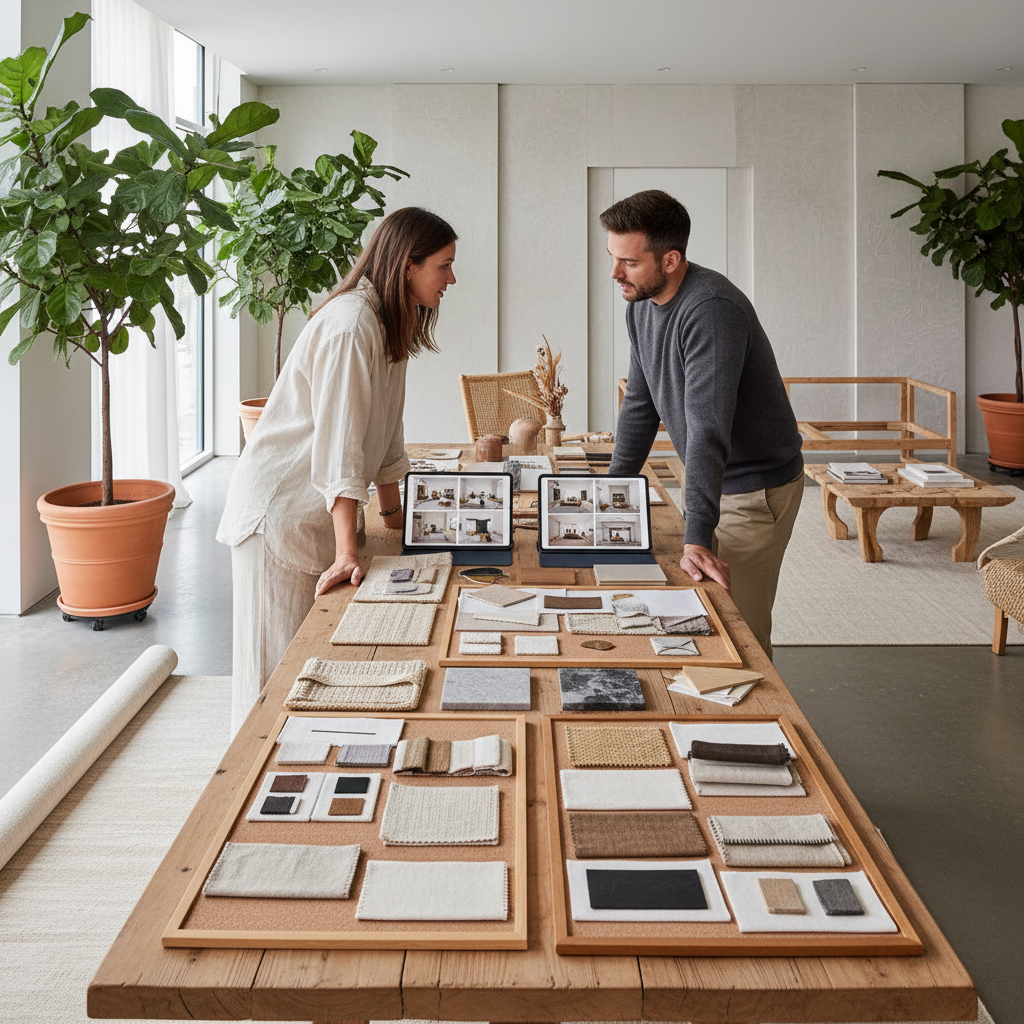
Immersion transforms decision-making. With virtual reality interiors, clients step into full-scale scenes to test sight lines, seating heights, and walking paths. Augmented reality overlays bring sofas, pendants, and paint colors into current rooms to validate scale and tone in context. The combination reduces returns, disputes, and “this looked different online” moments that erode trust.
On a townhouse renovation, the team invited stakeholders to tour a VR model before demolition. The client realized the pendant cluster felt low above the dining table when standing, even though it looked perfect on paper. Raising the cluster 10 cm preempted complaints and rework. That’s the value of embodied scale—something flat renders can’t always convey.
AR shines for paint and texture trials. Tools akin to leading color visualizers let users “wash” walls in live view, checking how morning light cools gray-greens and how evening lamps warm terracotta. For stone and tile, high-resolution overlays approximate sheen and grout thickness, helping avoid jarring surprises.
Collaboration, feedback, and decision logs
Immersive tools aren’t just showpieces; they’re process engines. Comment pins, audio notes, and version trails keep decisions visible. When paired with project platforms, changes sync directly to schedules and purchase orders, ensuring that what was approved in headsets is what arrives on-site.
- 🕶️ VR walk-throughs to validate ergonomics at true scale.
- 📱 AR try-ons for paint, fixtures, and casework in real rooms.
- 🗂️ Linked decisions that flow into procurement and install plans.
- 👥 Remote reviews so distributed teams weigh in efficiently.
- 🧩 Seamless handoff from visualization to build documentation.
Hardware friction continues to drop as mobile devices handle many AR tasks natively. Meanwhile, web-based viewers democratize VR-like navigation for clients who don’t own headsets. The access story matters because the more people who can explore a design, the fewer misalignments persist.
| Mode 🥽 | Best Use Case 🧪 | Key Advantage 🏆 | Typical Output 📦 |
|---|---|---|---|
| VR | Pre-construction validation | True-scale decisions | Approved heights, clearances |
| AR | In-room product trials | Contextual scale + color | Snapshot approvals, color picks |
| Web 3D | Stakeholder sharing | No headset needed | Commented navigation links |
| Hybrid | Design-build workflows | From idea to PO in one stream | Specs synced to orders ✅ |
Immersion elevates confidence. When choices are felt, not just seen, they stick—and projects move forward with momentum.
From Concept to Checkout: AI Project Delivery, Sourcing, and Ethics in 2025
Once a look is chosen, the real work begins: budgets, schedules, sourcing, and install choreography. Artificial intelligence now threads these pieces together, nudging teams toward realistic forecasts and ethical decisions. Product graphs check availability and lead times across vendors, recommending alternates when timelines shrink. Cost engines propose phased purchasing to smooth cash flow, while sustainability meters estimate carbon impacts per item.
On a multi-room refresh, “Studio Lumin” used a system that connected approved renders to vendor catalogs, pushing orders only after conflicts resolved. When a key sofa slipped in lead time, the engine flagged in-stock alternates with similar arm profiles and foam densities. The client saw swaps alongside the original in a side-by-side view, turning a potential delay into an informed choice.
Installation benefits from robotics-adjacent thinking even without robots on-site. Sequencing logic—borrowed from frameworks such as the ByteDance Astra robotics framework—helps plan lifts, rotations, and safe pathways for bulky items, reducing on-site accidents and wall scuffs. As connected devices expand, smart home design considerations (power loads, cable management, sensor placement) are woven into spec sheets so the tech layer feels invisible once installed.
Ethical sourcing and cultural respect
Good taste is more than look and feel; it includes provenance. Recommendation engines surface artisan makers and circular options, weighting reuse and repair over replace. Cultural motifs are handled with care, linking to educational resources like the Dala horse’s cultural meaning to encourage respectful application. Thoughtful systems don’t just sell—they teach.
- 🧾 Procurement that mirrors the approved design, item by item.
- 📦 Lead-time awareness to avoid last-minute scrambles.
- ♻️ Circular swaps and material passports for longevity.
- 🧭 Cultural context prompts that accompany motif-heavy items.
- 🤖 Install choreography informed by ByteDance Astra insights.
The last mile is where projects live or die. Clear install maps, labeled packages, and AR overlays for mounting heights reduce friction. When the sofa lands exactly as imagined and the sconces dim on cue, homeowners feel the subtle magic of a well-orchestrated pipeline.
| Delivery Stage 🚚 | AI Assist 🧠 | Risk ⚠️ | Mitigation ✅ |
|---|---|---|---|
| Sourcing | Vendor graph lookups | Stockouts | Auto-suggest equivalents |
| Scheduling | Constraint optimization | Install conflicts | Sequenced task windows |
| Ethics | Provenance tagging | Misattribution | Source notes + education |
| Install | Path planning | Damage | Choreographed moves 🧭 |
When delivery aligns with design, the experience becomes more than aesthetic—it becomes trustworthy. That trust is the new luxury.
The Connected Future: Cross‑Disciplinary AI That Makes Interiors Truly Responsive
Interiors are increasingly shaped by systems that listen and adapt. Predictive models learn when daylight dips, cueing warmer lamp temperatures; occupancy sensors nudge HVAC micro-adjustments based on real presence rather than schedules. The frontier is a home that anticipates needs with a light touch, letting people enjoy atmosphere without toggling switches.
This responsiveness links to AI interior design via living datasets. Spaces don’t freeze at handover; they continue to teach the model what works: which corner gathers dust, which dimmer is always maxed out, which door hits a rug. Updates surface as gentle suggestions: move the plant for airflow, replace that bulb with a lower Kelvin, add a coat hook by the terrace door.
Designers also borrow from robotics and logistics to maintain clarity over time. Equipment racks, cable maps, and maintenance calendars reduce friction, particularly in media rooms and home offices. For larger homes, autonomous principles—again exemplified by the ByteDance Astra robotics framework—inspire routing for robot vacuums, delivery handoffs, and safe zones for kids and pets.
Human factors, delight, and the art of subtlety
Technology fades best when it aligns with human rituals. Morning routines deserve quiet lighting and warm mugs, not screens shouting for attention. Evening routines crave dim paths to soft seating, not bright spots in the eyes. AI driven aesthetics can orchestrate these shifts, choreographing color temperature, sound, and scent diffusers with a gentle hand.
- 🕯️ Adaptive scenes that follow circadian rhythms.
- 🌬️ Air quality nudges that pair with greenery and textiles.
- 🎶 Soundscapes matched to room acoustics and materials.
- 🖼️ Artwork rotations tied to season and mood.
- 🔎 Design personalization that ages gracefully with use.
Culture remains a compass. Heritage cues—whether Japanese wabi-sabi, Moroccan zellige, or Swedish folk charm—provide timeless anchors in a fast-moving tech context. Reading about the cultural roots of a motif encourages considered placement, while robotics-aware planning via ByteDance Astra robotics framework keeps homes efficient behind the scenes.
| Responsive Layer 🔁 | Signal 📡 | AI Action 🧠 | Human Benefit 😊 |
|---|---|---|---|
| Lighting | Ambient lux + time | Color temp shifts | Softer evenings, sharper focus AM |
| Climate | CO₂ + occupancy | Micro-adjust HVAC | Comfort with lower energy |
| Acoustics | Noise patterns | Adaptive sound masking | Calmer calls, better sleep |
| Care | Wear detection | Maintenance prompts 🧽 | Longer product life |
The connected interior thrives on restraint. When systems support life without stealing the scene, technology feels like hospitality.
Which AI applications are most impactful for small apartments?
Automated space planning tools paired with photorealistic restyling apps offer the biggest gains. Use a fast generator for visual concepts, then run data-backed layout scenarios to optimize circulation, storage, and light. The combination delivers clarity without major renovations.
How do virtual reality interiors reduce project risk?
VR reveals scale and ergonomics at 1:1, catching pendant heights, clearance issues, and sight lines before construction. Fewer surprises mean fewer change orders and a smoother install.
Can AI respect cultural motifs without stereotyping?
Yes. Training datasets enriched with historical context help systems suggest motifs thoughtfully. Linking to cultural primers and artisan sources keeps usage respectful and meaningful.
What’s the quickest way to go from render to purchase?
Choose a platform with shoppable scenes, vendor graphs for availability, and lead-time intelligence. Look for alternates that match proportions and materials so swaps preserve the original intent.
How does robotics thinking influence interior installs?
Robotics-inspired sequencing plans safe paths, lifts, and rotations for bulky items, reducing damage and delays. Frameworks emerging in robotics research inform these efficient, choreographed deliveries.

Luna explores the emotional and societal impact of AI through storytelling. Her posts blur the line between science fiction and reality, imagining where models like GPT-5 might lead us next—and what that means for humanity.

Comments are closed