
Unpacking Photon ETH: A New DeFi Engine in the 2026 Landscape
The crypto landscape has shifted dramatically over the last twelve months. Looking back at the volatility of 2025, we saw Ethereum navigate through a maze of regulatory scrutiny, technological overhauls, and the rise of specialized protocols. Among the most talked-about developments is PhotonETH, a concept that has evolved from a simple treasury-backed token idea into a significant player within the decentralized finance ecosystem.
For those tracking the markets, the current figures tell a story of correction and consolidation. Ethereum is currently down -5.59% in the last 24 hours, reflecting the broader market’s hesitation. However, to understand where we are going, we have to look at the massive run-up we experienced last year. The introduction of crypto innovation tools like the Photon protocol has fundamentally altered how yield is generated and how liquidity flows through the Ethereum network.
Defining the Photon Protocol and Its Role in DeFi
At its core, the Photon protocol operates as a decentralized financial system designed to support PHOTON, a treasury-backed token. Unlike standard ERC-20 tokens that rely solely on market speculation, Photon ETH aims to provide a more stable, yield-generating asset class directly on the blockchain. This is crucial because it addresses one of the primary pain points of the 2024-2025 cycle: the need for sustainable, real-yield mechanics in smart contracts.
The integration of Photon into the Ethereum ecosystem didn’t just happen in a vacuum. It rode the wave of the scalability improvements brought on by major network upgrades. By utilizing a treasury mechanism, it acts as a liquidity sink, potentially stabilizing the volatility that often plagues smaller cap assets. This “DeFi Yield Engine” model suggests a shift towards more mature financial products on-chain.

The Pectra Upgrade: The Catalyst for the 2025 Surge
To fully grasp the impact of Photon ETH, we must revisit the pivotal moment of May 7th, 2025. This date marked the activation of the Pectra upgrade, arguably the most significant shift since “The Merge” in 2022. Pectra wasn’t just a maintenance patch; it was a complete overhaul of how validators and transactions function.
The upgrade introduced 11 Ethereum Improvement Proposals (EIPs). Two of these were absolute game-changers for transaction speed and staking efficiency:
* EIP-7251: This proposal raised the staking limit for validators from the traditional 32 ETH to a massive 2,048 ETH. This allowed institutional whales and large staking providers to consolidate their operations, reducing the bloat on the network.
* EIP-6110: This drastically slashed the activation time for new validators from roughly 12 hours down to just 13 minutes ⏱️.
These technical enhancements provided the fertile ground necessary for protocols like PhotonETH to flourish. Without the increased efficiency and reduced network congestion provided by Pectra, complex yield engines would have remained too expensive for the average user to interact with.
Price Action and the ETF Effect
The interplay between technological upgrades and financial products created a perfect storm in late 2025. following the approval of Spot Ethereum ETFs back in July 2024, the market finally saw the maturation of these instruments with the introduction of options trading in October 2025. This institutional access helped drive Ethereum to its All Time High of $4,946 on August 24th, 2025.
However, markets move in cycles. Since that peak, we have seen a retracement, with the price currently down -32.94% since all time high. This correction is natural after such a parabolic run, but it highlights the risks associated with high-beta assets. The Photon protocol attempts to mitigate some of this directional risk by focusing on yield rather than pure price appreciation, but it remains tethered to the health of the underlying L1 chain.
Ethereum vs. The Competition: Layer 2s and Rivals
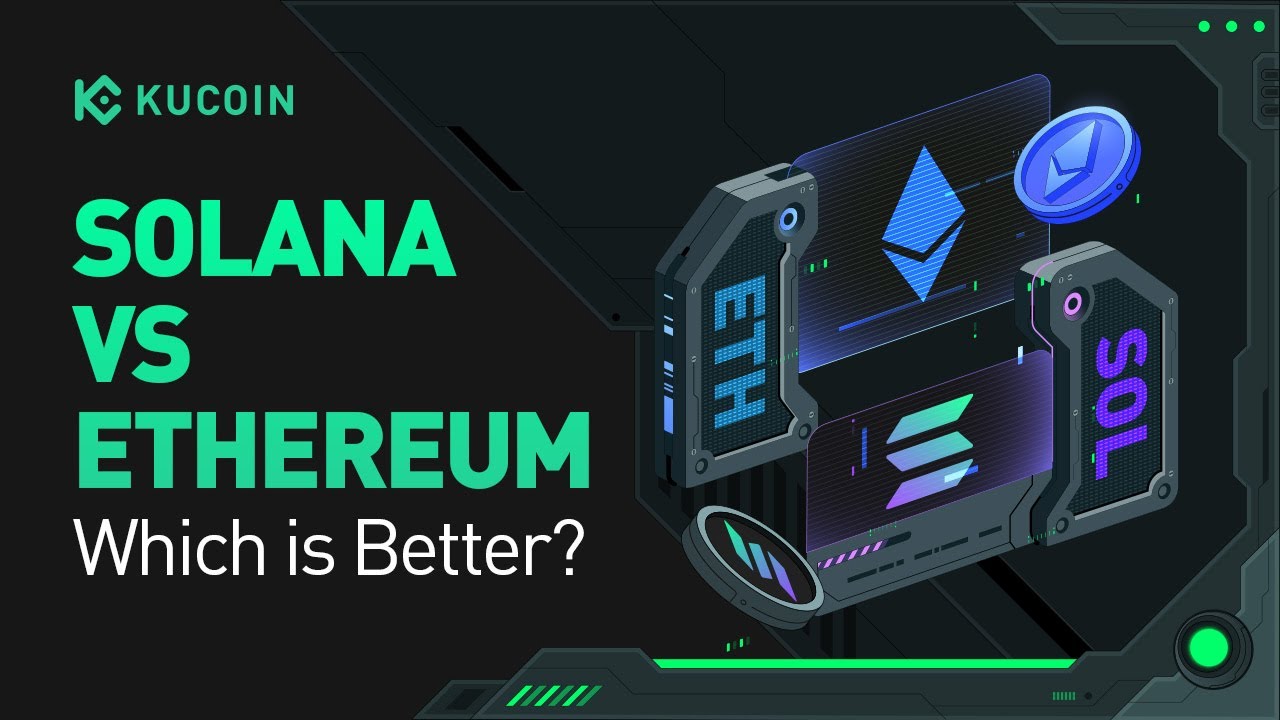
While Ethereum remains the king of smart contracts, it is constantly looking over its shoulder. The narrative in 2026 is dominated by the “modular vs. monolithic” debate. High-performance chains like Solana and Sui continue to challenge ETH on raw throughput. To compete, Ethereum relies heavily on layer2 solutions like Arbitrum and Optimism, which handle execution while leaving settlement to the main chain.
Here is how the landscape looks for Ethereum and its associated protocols like Photon in the current market environment:
| Metric 📊 | Ethereum (ETH) Ecosystem | Competitors (Solana/Sui) | Impact on Protocols |
|---|---|---|---|
| Decentralization | High (Global validator set) | Moderate (Higher hardware reqs) | ETH offers better security for treasury-backed tokens like Photon. |
| Transaction Speed | Moderate (Fast on L2) | Extremely High | L2s are essential for high-frequency DeFi trading. |
| Institutional Trust | High (ETF approved) | Growing | Institutions prefer ETH for deep liquidity and regulatory clarity. |
| Yield Opportunities | Diverse (Staking + DeFi) | High Risk / High Reward | ETH allows for “real yield” generation via established protocols. |
The decentralization of Ethereum provides a security premium that competitors struggle to match. For a protocol like Photon, which manages a treasury, security is paramount. A fast chain is useless if the treasury is vulnerable to centralization vectors or outages.
Factors Influencing the Market in 2026
As we navigate the current year, several specific factors determine whether we see a return to the highs or a continued downtrend. It is not just about the tech; it is about the macro environment and adoption.
* Institutional Flows: The continued inflow (or outflow) from ETF products dictates short-term price action more than on-chain metrics.
* Layer 2 Fragmentation: Liquidity is currently fractured across dozens of L2s. Solutions that unify this liquidity are critical for user experience.
* Regulatory Clarity: The definition of “yield” products remains a hot button issue for regulators globally.
* Tech Upgrades: Post-Pectra, the roadmap focuses on further scalability improvements such as Danksharding to lower data availability costs. 📉
The emergence of PhotonETH and similar protocols signals a maturing market where utility and yield mechanics are beginning to take precedence over pure speculation. However, with the market currently sitting down -5.59% on the day, caution is the name of the game. The drop of nearly 33% from the August 2025 highs serves as a reminder that innovation often comes with extreme volatility.
What is the main purpose of the Photon protocol?
The Photon protocol is a decentralized finance (DeFi) system designed to support PHOTON, a treasury-backed token on the Ethereum network. It functions as a yield engine, aiming to provide sustainable returns backed by asset reserves rather than purely speculative mechanics.
How did the Pectra upgrade impact Ethereum in 2025?
Activated on May 7, 2025, the Pectra upgrade significantly improved Ethereum’s scalability and staking efficiency. It raised the validator staking limit to 2,048 ETH (EIP-7251) and reduced validator activation time to roughly 13 minutes, paving the way for more efficient institutional adoption.
What was Ethereum’s highest price in 2025?
Ethereum reached an All Time High of $4,946 on August 24th, 2025. This surge was driven by institutional adoption through ETFs, the successful implementation of the Pectra upgrade, and a broader crypto market rally.
Why are Layer 2 solutions important for Photon ETH?
Layer 2 solutions like Arbitrum and Optimism are crucial for protocols like Photon ETH because they offer faster transaction speeds and lower fees while inheriting Ethereum’s security. This makes complex DeFi strategies and frequent yield interactions economically viable for users.
What are the current risks for Ethereum investors in 2026?
Key risks include regulatory uncertainty regarding DeFi and staking, competition from high-performance blockchains like Solana, and market volatility. As of early 2026, the price has corrected significantly from its 2025 highs, highlighting the potential for downside risk.

Jordan has a knack for turning dense whitepapers into compelling stories. Whether he’s testing a new OpenAI release or interviewing industry insiders, his energy jumps off the page—and makes complex tech feel fresh and relevant.

No responses yet