
The narrative was supposed to be simple: provide affordable, high-quality legal options, and digital piracy would vanish into the ether of the early internet. Yet, as we analyze the landscape of 2026, looking back at the data from the previous year, the reality is starkly different. Despite the proliferation of sophisticated platforms, the underground market for content is not shrinking; it is evolving. The allure of pirated movies remains potent, driven by a complex mix of economic pressure, technological barriers, and consumer frustration.
The Economic Weight of Fragmented Streaming Services
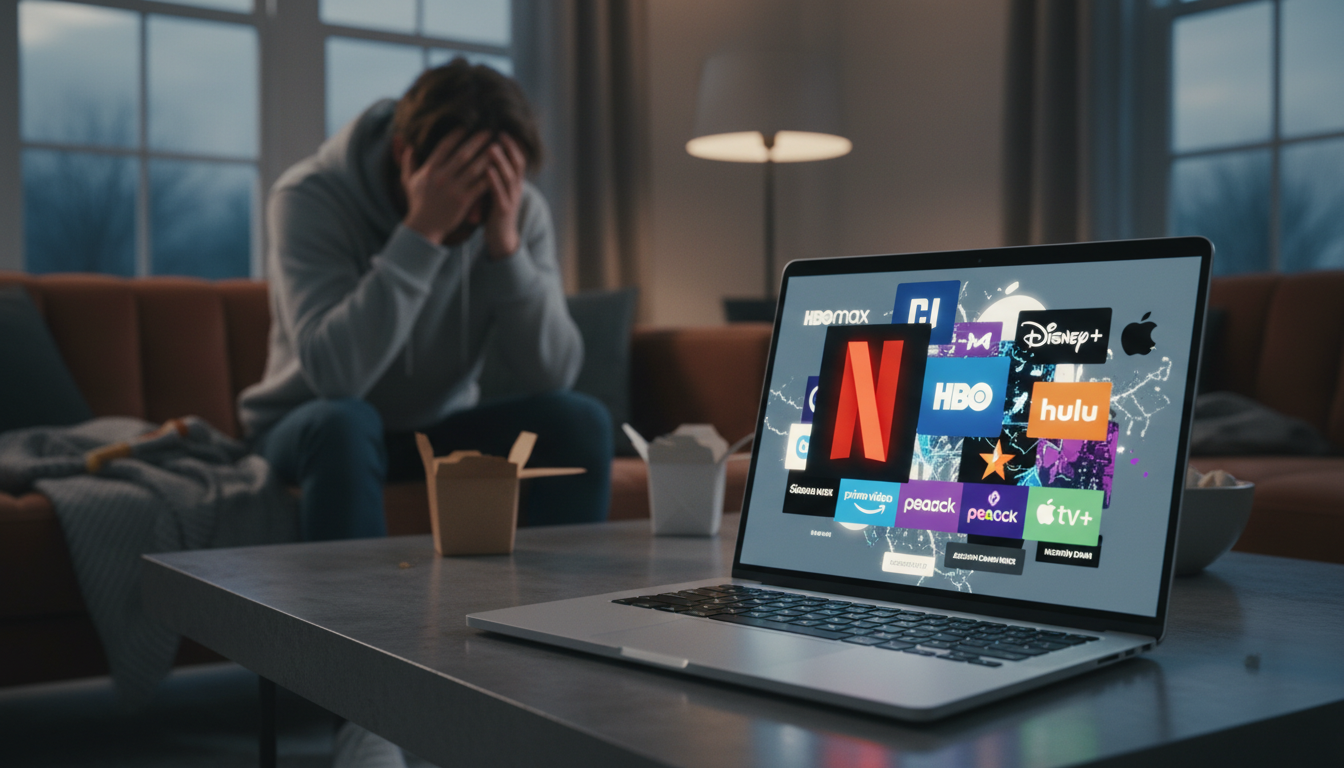
The golden age of having everything on one platform is long gone. In 2025, the entertainment industry saw the peak of “subscription fatigue.” Consumers are now required to manage a dizzying array of monthly bills to access their favorite films and series. When the combined cost of subscribing to Netflix, Disney+, Amazon Prime, and niche services exceeds the price of a traditional cable package, the value proposition collapses for many households. 📉
This financial strain is a primary catalyst for the resurgence of unauthorized downloads. Users are voting with their bandwidth. When a single household cannot justify paying hundreds of dollars annually for fragmented libraries, online piracy becomes a financially logical, albeit illegal, alternative. The industry’s shift toward aggressive monetization has inadvertently revitalized the very problem it sought to eliminate.
How Password Sharing Crackdowns Backfired
Major players in the sector gambled that restricting password sharing would convert borrowers into subscribers. The data from 2025 suggests a different outcome. Instead of opening their wallets for new accounts, a significant portion of users, particularly younger demographics, simply migrated to alternative sources. This harsh enforcement of intellectual property rights, while legally sound, alienated a user base accustomed to flexible media consumption.
By locking out friends and family members, platforms removed the convenience factor that often kept casual viewers within the legal ecosystem. Consequently, the barrier to entry for legal viewing became higher than the slight inconvenience of finding a torrent or an unauthorized stream. 🚫
Global Disparities in Movie Accessibility
The internet promises a borderless world, but content distribution remains heavily gated by geography. In 2025, a viewer in the United States might have instant access to a blockbuster, while a fan in Europe or Asia waits months for an official release. This artificial scarcity drives impatience. Fans are unwilling to wait while social media is already buzzing with spoilers.
Geo-blocking creates a vacuum that pirate sites are eager to fill. If the industry fails to provide simultaneous global releases, it essentially hands market share to illegal platforms that offer movie accessibility without borders. The user experience on pirate sites has ironically become smoother than legitimate ones; there are no region locks, no complex authentication processes, and often, the content is available in high definition mere hours after the theatrical premiere.
The Statistical Reality of Digital Theft
To understand the scale of the issue, one must look at the raw numbers. The United States, despite having the most robust legal options, continues to lead in traffic to pirate sites. This contradicts the assumption that piracy is solely a problem of availability in developing nations. It is a behavioral choice deeply rooted in digital culture.
The following table illustrates the hotbeds of unauthorized access recorded throughout 2025, highlighting where copyright infringement remains most prevalent: 🌍
| Global Rank | Country | Estimated Visits (Billions) | Trend Analysis |
|---|---|---|---|
| 1 | United States | 17.38 | Consistently high despite legal options |
| 2 | Russia | 14.46 | Driven by sanctions and lack of access |
| 3 | India | 9.58 | Rapidly growing internet population |
| 4 | France | 7.33 | High demand for localized content |
The Hidden Dangers of Free Content
While the content might be free, the hidden costs of accessing pirated movies are rising. Cybercriminals have weaponized the demand for free entertainment. In 2025, the risk profile for a casual pirate shifted dramatically from simple legal warnings to severe digital security threats. The narrative is no longer just about legality; it is about personal safety.
Entities like the Digital Citizens Alliance have highlighted that the intersection of piracy and malware is a booming business. Users hunting for the latest blockbuster often stumble into traps designed to harvest personal data or hold devices for ransom. ⚠️
Risks Associated with Illegal Streaming
Accessing unauthorized content is rarely a clean transaction. The following hazards have become statistical certainties for frequent users of pirate hubs:
- Identity Theft: Users of illegal sites are four times more likely to experience identity theft compared to those sticking to legal avenues.
- Financial Fraud: Approximately 72% of individuals who used credit cards on pirate subscription services reported fraudulent charges shortly after.
- Malware Infections: “Drive-by downloads” can infect a device with spyware merely by visiting a streaming page, without the user clicking a download button. 🦠
- Quality Degradation: Despite claims of HD, many streams suffer from poor compression, audio desync, and intrusive gambling advertisements.
Technological Arms Race and Future Outlook
The battle between rights holders and pirates is increasingly fought with Artificial Intelligence. Studios are deploying AI to scan the web for unauthorized uploads and issue takedowns in milliseconds. However, this has led to a game of “whack-a-mole,” where pirate infrastructures are automated to respawn instantly on new domains. 🤖
Furthermore, the over-policing by AI sometimes results in false positives, frustrating legitimate creators and users, pushing them further toward the periphery. As we move deeper into 2026, the streaming services that will succeed in curbing piracy will likely be those that focus less on punishment and more on solving the core issues of price and convenience.
Why is movie piracy increasing in 2025?
Piracy is surging due to subscription fatigue caused by the high cost of multiple services, the crackdown on password sharing, and persistent geo-restrictions that limit content access in certain regions.
Is streaming pirated movies dangerous for my device?
Yes, significantly. Statistics show that users visiting pirate sites are four times more likely to face identity theft, and there is a 72% rate of reported credit card fraud among those paying for illegal IPTV services.
Which countries have the highest rates of online piracy?
Despite having many legal options, the United States leads global piracy traffic with over 17 billion visits, followed by Russia and India, indicating that piracy is a global behavioral issue rather than just an access problem.
How does password sharing affect piracy rates?
Strict limitations on password sharing by major platforms have backfired for some demographics, leading users to switch to piracy rather than purchasing separate full-price subscriptions for every service.

Jordan has a knack for turning dense whitepapers into compelling stories. Whether he’s testing a new OpenAI release or interviewing industry insiders, his energy jumps off the page—and makes complex tech feel fresh and relevant.

No responses yet