The Logic of Cellular Replication in the Modern Era
Biological systems operate with a precision that rivals the most sophisticated software architectures available in 2026. At the core of biological growth and repair lies cell division, a highly regulated process ensuring that one parent cell successfully generates two genetically identical daughter cells. Understanding this mechanism requires looking beyond the microscope and viewing the cell cycle as a master loop of synthesis, verification, and execution. Just as an enterprise system requires downtime for data backup, cells undergo “interphase”—a critical period of growth and DNA replication—before the division code is executed.
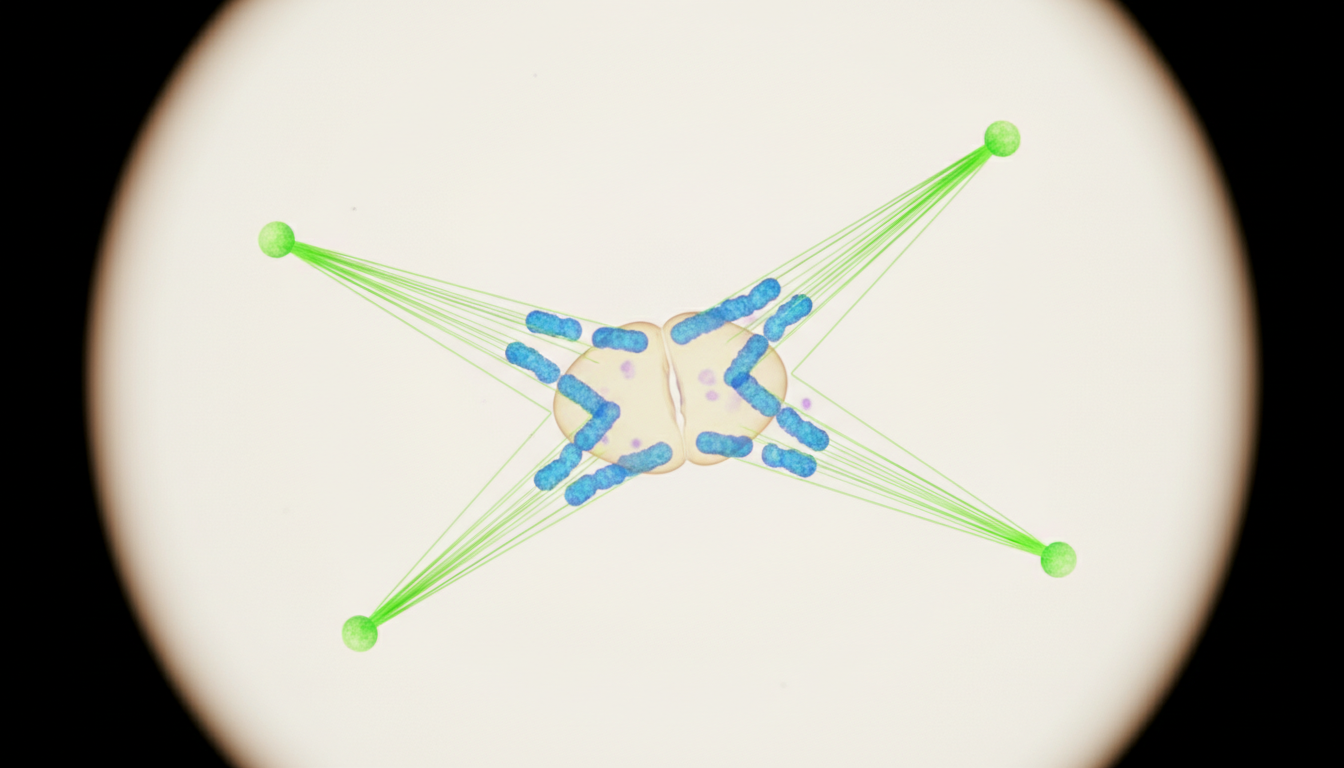
Recent advancements in computational biology, such as the comprehensive models from the Allen Institute, have allowed us to visualize these mechanics with unprecedented clarity. We no longer just observe the output; we understand the underlying logic that prevents errors, such as those leading to cancer. The process is strictly strictly applied to the duplication and distribution of the nucleus and its genetic contents.
Deconstructing the Mitosis Algorithm
Once the system checks are complete during interphase, the cell initiates mitosis. This is the operational phase where the duplicated genetic material is segregated. The process follows a strict sequential protocol to ensure data integrity. If any step fails, the system risks corruption, which in biological terms translates to mutations or cell death. The duplication of chromosomes—the structures carrying genetic data—must be flawless.
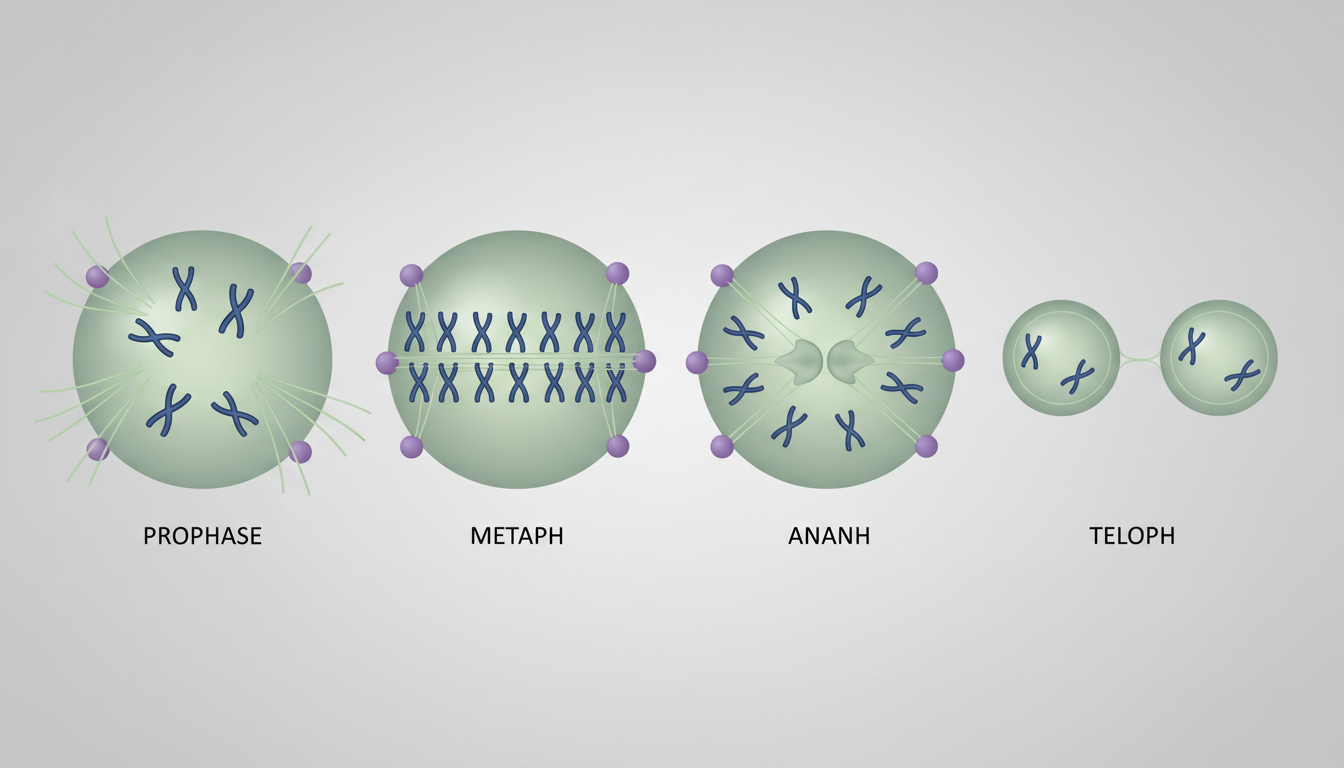
The execution of this biological program can be broken down into four distinct phases, each triggering specific mechanical actions within the cell nucleus:
- 🧬 Prophase: The system prepares for migration. Chromatin condenses into visible chromosomes, and the nuclear envelope dissolves to allow structural access.
- ⚙️ Metaphase: The alignment phase. Chromosomes line up along the cell’s equator, ensuring they are correctly positioned for the split.
- ↔️ Anaphase: The separation protocol. Sister chromatids are pulled apart toward opposite poles, driven by the mechanical work of the cytoskeleton.
- 🔒 Telophase: System restoration. New nuclear envelopes form around the separated gene sets, and chromosomes begin to relax back into chromatin.
The Mechanics of Separation: Spindles and Cytoskeletons
The physical movement of genetic data relies on a specialized cytoskeletal machine. Spindle fibers act as the hardware responsible for organizing and towing the DNA. During metaphase, these fibers attach to the centromeres of the chromosomes, creating the tension necessary to verify that every piece of data is accounted for before separation occurs. This mechanical checkpoint is crucial; without it, daughter cells might inherit an unequal number of chromosomes, leading to system instability.
The distinction between animal and plant systems is notable here. While the core kernel of the process remains similar, the physical containment differs. Animal cells pinch inward, whereas plant cells must construct a rigid cell plate to finalize the division. The following table breaks down the operational status of the cell components during these critical stages.
| Phase | System Status 🟢 | Key Component Activity ⚙️ |
|---|---|---|
| Prophase | Initialization | Chromosomes condense; spindle apparatus begins to form. |
| Metaphase | Alignment Check | Spindle fibers lock onto chromosomes; alignment at the equatorial plate. |
| Anaphase | Distribution | Chromatids separate; genetic material moves to opposite poles. |
| Telophase | Reconfiguration | Nuclear boundaries re-establish; spindle hardware is dismantled. |
Finalizing the Output: Cytokinesis
Mitosis strictly refers to the division of the nucleus, but the process is not complete without cytokinesis. This is the final step of the command chain, where the cytoplasm divides, effectively launching two independent cellular entities. In animal cells, a contractile ring creates a cleavage furrow, physically pinching the cell in two. This ensures that the organelles and cytosol are distributed effectively to support the new nuclei.
By 2026, research has clarified that cell division is not merely a structural event but a complex signaling cascade. When this regulation goes awry, the implications for human health are profound. Accurate replication is the benchmark for healthy tissue growth and repair. Mastery of these definitions and stages—from the initial prophase to the final split—provides the foundational knowledge necessary for advancing biotechnology and medicine.
What is the primary function of mitosis?
Mitosis is the process of cell duplication where one parent cell divides to produce two genetically identical daughter cells, essential for growth and repair.
How does cytokinesis differ from mitosis?
While mitosis is the division of the nucleus and genetic material, cytokinesis is the physical division of the cell’s cytoplasm that results in two distinct cells.
Why are spindle fibers important in cell division?
Spindle fibers are the cytoskeletal structures responsible for organizing and pulling chromosomes apart to ensure each new cell receives an accurate set of genetic information.
What happens if the cell cycle is not regulated?
Unregulated cell cycles can lead to errors in DNA replication or uncontrolled division, which is often the underlying mechanism of cancer and other diseases.

Max doesn’t just talk AI—he builds with it every day. His writing is calm, structured, and deeply strategic, focusing on how LLMs like GPT-5 are transforming product workflows, decision-making, and the future of work.

No responses yet