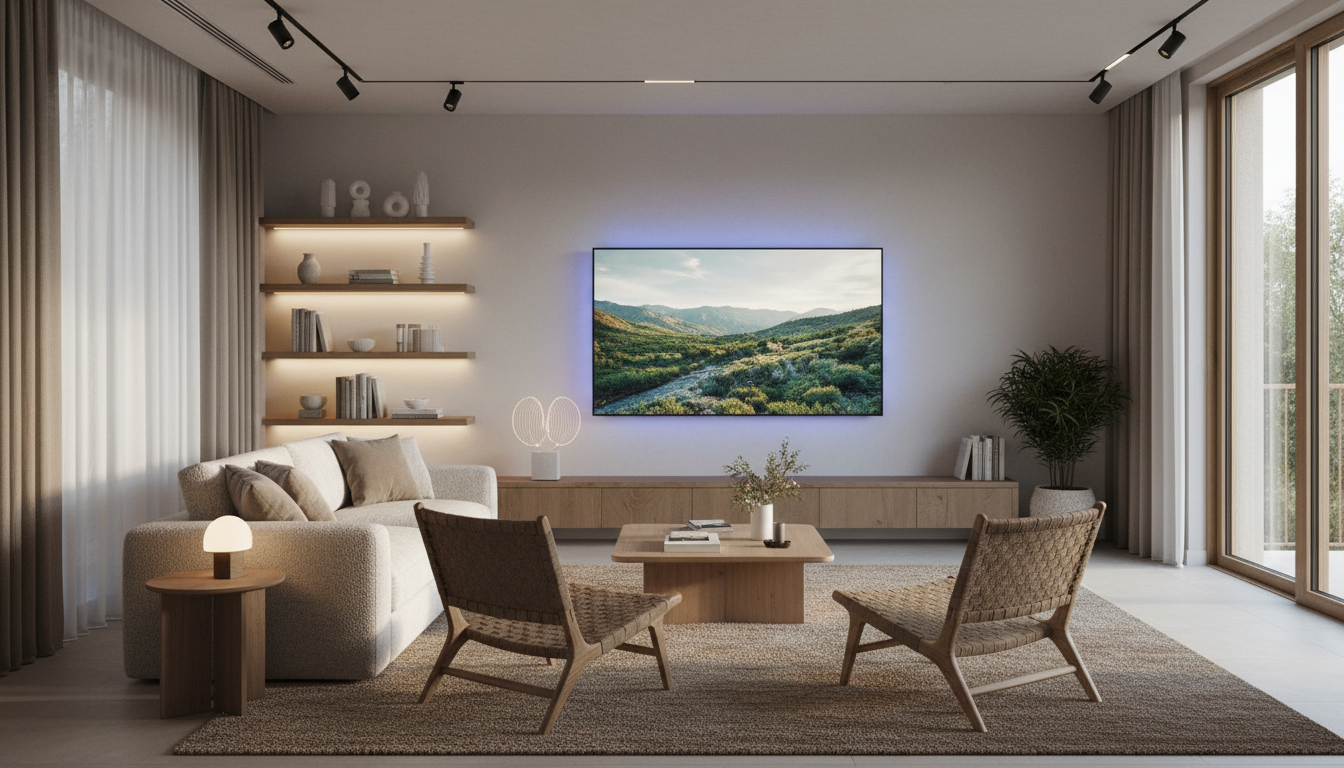
Standing in the center of a living room, staring at blank walls, often invokes a paralyzed feeling. We have all scrolled through social media feeds for hours, bookmarking aspirational spaces that feel financially or logistically out of reach. However, the landscape of AI Home Decor shifted dramatically in 2025, moving from experimental gimmicks to essential renovation companions. The technology has matured, allowing homeowners to bypass the guesswork and visualize potential outcomes with startling photorealism.
The integration of generative algorithms into domestic planning isn’t just about placing virtual sofas; it is about reimagining the very workflow of renovation. By analyzing spatial dimensions and user preferences, these systems bridge the gap between imagination and reality, offering Smart Interior Design solutions that were previously the exclusive domain of high-end luxury consultants. We are witnessing a democratization of style, where sophisticated software interprets vague ideas into actionable blueprints.
Revolutionizing Spaces with Smart Interior Design Tools
The standout innovation of the last year has undoubtedly been the shift towards conversational interfaces in design software. Platforms like Paintit.ai have redefined usability by treating room styling like curating a music playlist. Instead of grappling with complex CAD tools, users engage in a natural dialogue, allowing the AI to refine Personalized Home Design concepts iteratively. This approach mirrors human interaction, asking clarifying questions to narrow down aesthetic preferences from “modern” to “Scandinavian minimalist with warm wood accents.”
For professionals and serious DIY enthusiasts, the need for precision has been met by tools offering granular control. Virtual Room Planning has evolved beyond simple drag-and-drop mechanics. Applications such as Spacely AI now allow for post-generation editing, meaning a designer can swap out a specific lamp or adjust a texture without regenerating the entire scene. This capability is crucial for maintaining the integrity of a design while tweaking the details that make a house a home. To understand the breadth of these changes, one can explore various transformative AI applications for interior design that are currently reshaping the market.
Comparing the Titans of AI-Driven Home Styling
Navigating the sheer volume of available applications can be daunting. The market has segmented itself to cater to different needs, from instant visualization to professional architectural rendering. Below is a breakdown of the leading platforms that dominated the 2025 renovation season, highlighting their specific strengths in the ecosystem of Artificial Intelligence Furniture placement and styling.
| Platform Name | Ideal User Profile | Standout Innovation 🚀 | Key Advantage |
|---|---|---|---|
| Paintit.ai | Homeowners & Designers | Shoppable Integration 🛍️ | Connects renders to real inventory (IKEA, etc.) |
| Spacely AI | Professional Architects | Granular Editing ✏️ | Modify elements without full regeneration |
| RoomGPT | Quick Visualizers | Rapid Processing ⚡ | Generates concepts in under 30 seconds |
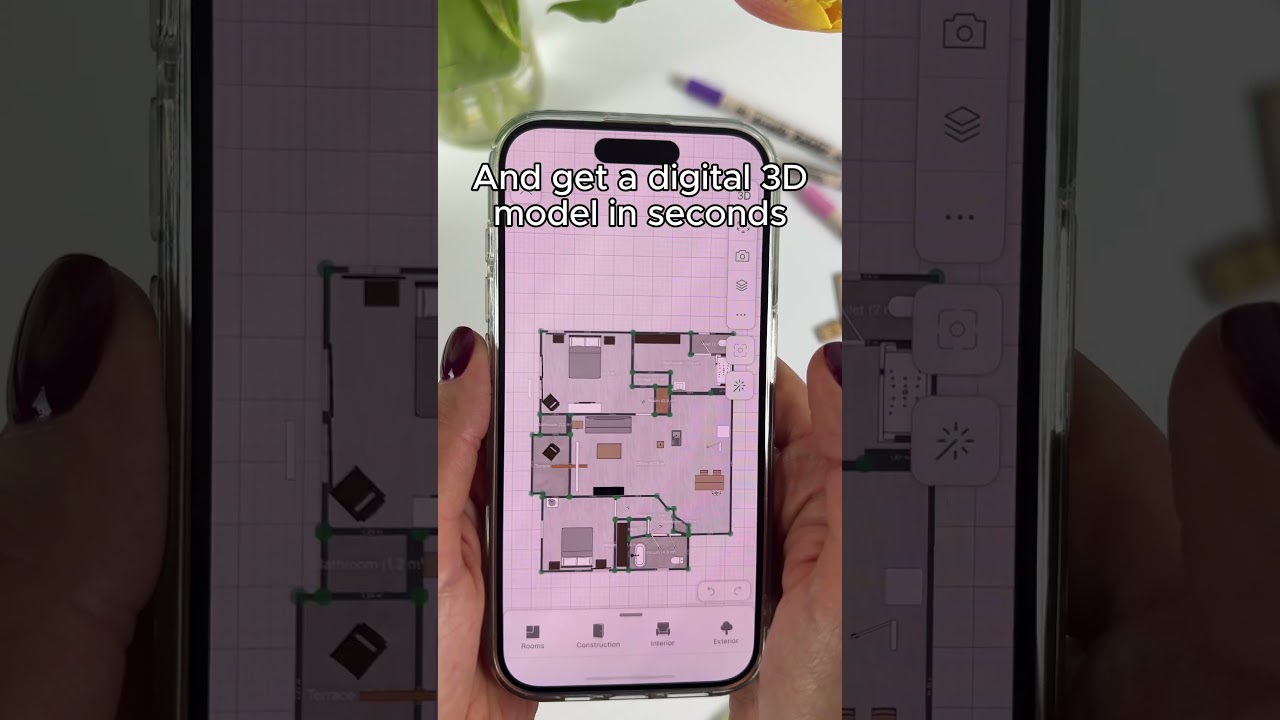
| Planner5D | Mobile Users | AR Functionality 📱 | Scans rooms directly via smartphone camera |
| Interior AI | Style Explorers | Aesthetic Variety 🎨 | Offers 40+ distinct design style presets |
It is worth noting that while speed is a significant factor, the quality of the render remains paramount. Tools like RoomGPT excel at rapid ideation, perfect for brainstorming sessions, while others prioritize the fidelity of lighting and texture. Just as a hobbyist might look for mini blocks building tips to ensure structural integrity in a model, digital designers must choose the right software architecture to build their virtual rooms effectively.
The Fusion of Lighting, Color, and Augmented Reality
Beyond furniture layout, the ambiance of a room is dictated by light and color. AI Color Matching algorithms have become incredibly sophisticated, capable of analyzing a photo of a user’s existing furniture or artwork to suggest harmonious palettes. These systems consider the room’s orientation and natural light exposure, predicting how paint colors will shift throughout the day. This predictive capability prevents the common mishap of a color looking perfect on a swatch but terrible on the wall.
Furthermore, the physical and digital worlds are merging through Augmented Reality Decor. Mobile-first applications allow users to hold up their phones and see virtual furniture superimposed onto their actual living space. This technology has solved the “scale problem”—the frequent issue where furniture looks proportional online but overwhelms the room in reality. By visualizing items in 3D within the actual environment, homeowners can make purchasing decisions with significantly higher confidence.
Intelligent Automation and Future Living
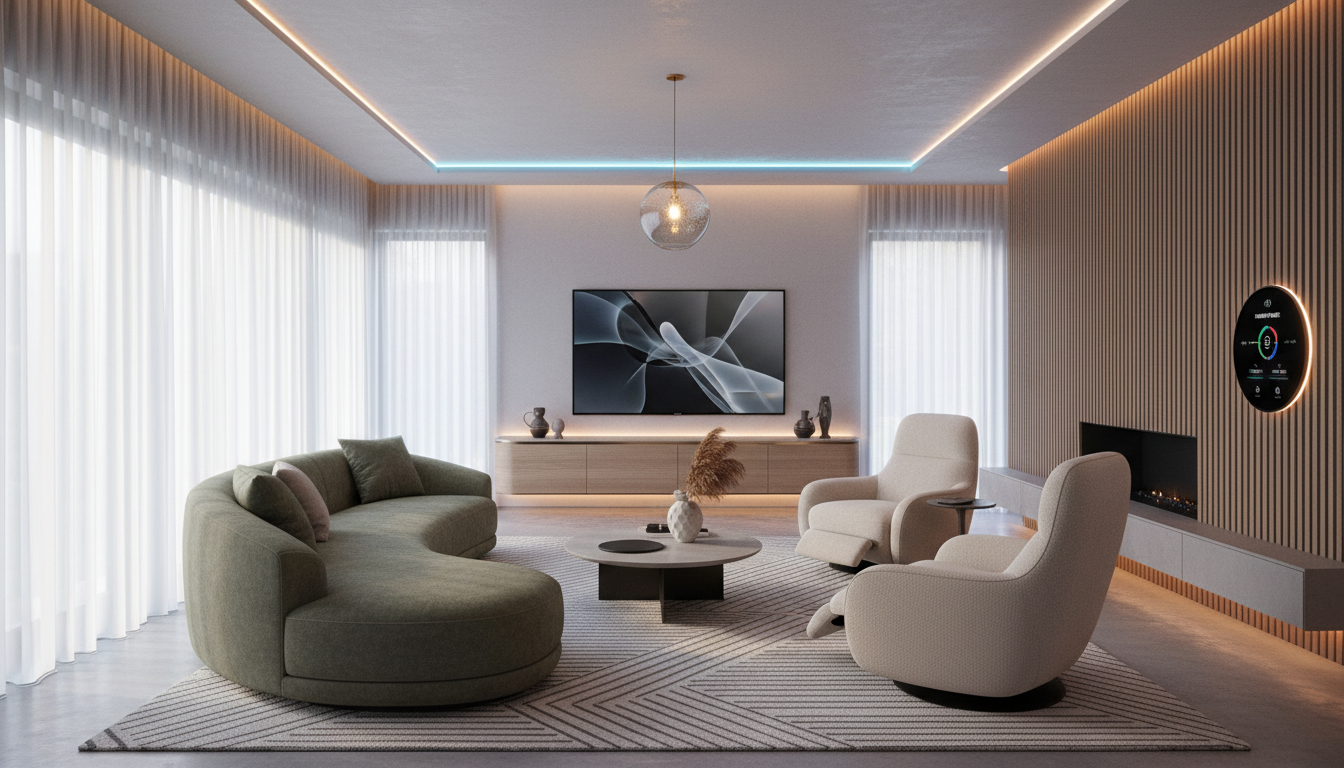
As we look deeper into 2026, the convergence of design software and AI Home Automation is becoming the next frontier. We are moving towards systems where the design phase directly informs the smart home setup. For instance, a Smart Lighting Systems plan generated by an AI design tool could theoretically be uploaded directly to a home’s smart hub, automatically configuring scenes that match the rendered ambiance.
Here are the key benefits of integrating these advanced technologies into your renovation workflow:
- Efficiency Boost ⏱️: Reduces the time from concept to final design by automating the trial-and-error phase.
- Budget Management 💰: AI-Driven Home Styling tools often include cost estimators, preventing budget overruns by tracking estimated furniture costs.
- Spatial Optimization 📐: Algorithms analyze traffic flow to suggest layouts that maximize usable space.
- Visualization Clarity 👓: Virtual Room Planning provides photorealistic previews, reducing the anxiety of “design regret.”
- Style Discovery 🔍: Helps users identify their unique aesthetic by analyzing their reactions to different generated variations.
Ultimately, while these tools offer incredible power, the “human touch” remains irreplaceable. The most successful projects use AI as a collaborator rather than a dictator. It can suggest a layout, but it cannot feel the coziness of a corner or the sentimental value of an heirloom. The goal is to leverage AI Home Decor to handle the heavy lifting of visualization and sourcing, leaving the homeowner free to focus on the emotional and tactile aspects of creating a sanctuary.
Can AI design tools effectively replace professional interior designers?
While AI tools excel at visualization, ideation, and rapid layout generation, they lack the empathy, project management skills, and deep understanding of construction nuances that a human professional provides. They are best used as collaborative tools to enhance the design process rather than replace the expert entirely.
Are the furniture items shown in AI renders actually available for purchase?
This depends on the specific platform. Tools like Paintit.ai specialize in integrating shoppable inventory, providing links to real products from retailers. However, many generative tools create ‘hallucinated’ furniture that looks realistic but doesn’t exist, serving merely as inspiration for similar real-world items.
How accurate are AR measurements for furniture placement?
Augmented Reality accuracy has improved drastically by 2025/2026, often utilizing LiDAR technology in modern smartphones. While excellent for visual estimation and checking flow, it is always recommended to use a physical tape measure for critical dimensions before making final purchases.

Luna explores the emotional and societal impact of AI through storytelling. Her posts blur the line between science fiction and reality, imagining where models like GPT-5 might lead us next—and what that means for humanity.

No responses yet