
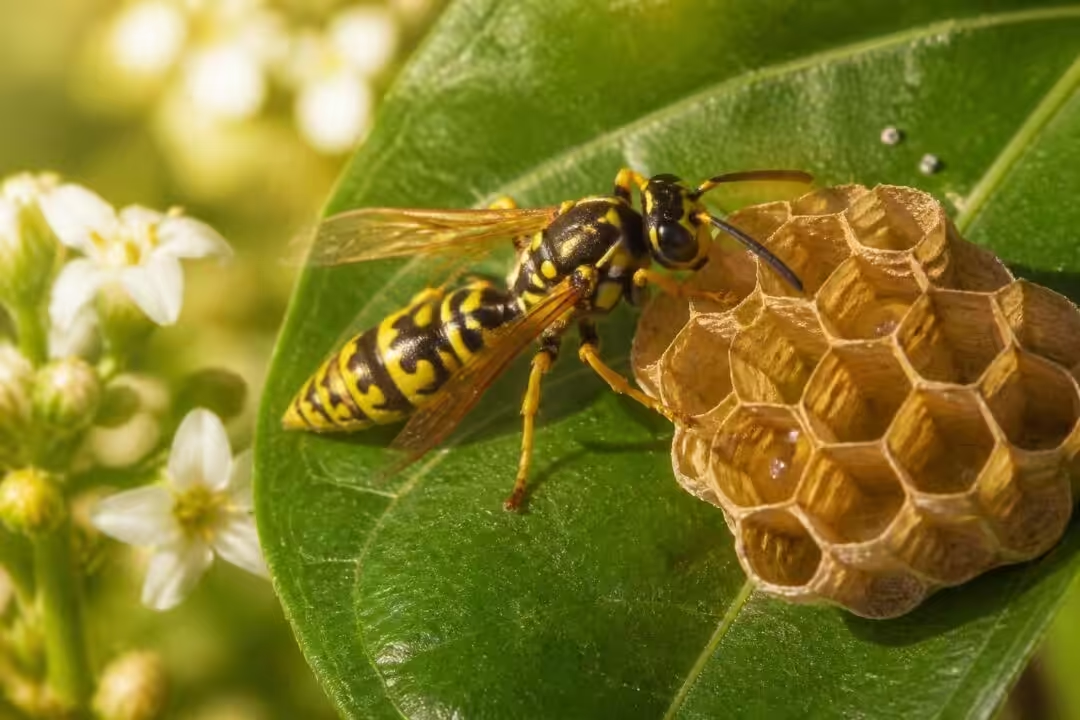
Do Wasps Produce Honey? The Straight Scientific Answer (and the Edge Cases) 🧪
If you work around backyards, parks, or outdoor dining, you have seen the pattern: bees and wasps both show up at flowers and sweet drinks. That overlap leads to a stubborn belief that wasps make honey, too. The science-based answer is no for almost all wasp species, with a small set of documented exceptions that behave more like nectar-storing social insects.
Honey, in the strict sense used by entomologists and food scientists, is not just “sweet liquid.” Honey is processed nectar (or similar plant sugars) that gets enzymatically transformed, dehydrated to a stable water content, and stored as a long-term energy bank. Honeybees do this as a survival strategy when flowers disappear.
Most common wasps you run into in the US, such as yellowjackets and many paper wasps, live on a different schedule. Their colonies are usually seasonal. Workers peak in late summer, then die off with cold weather. Only new queens persist through winter in sheltered spots. A colony that collapses annually has little reason to build a pantry of shelf-stable sugar for months of dormancy.
That difference in colony lifespan drives a lot of the biology. Honeybees must fuel a large cluster of adults through winter. They heat the hive and eat stored honey. Wasps, by contrast, tend to “spend” sugar as they find it. Adult wasps sip nectar for quick energy, then pivot back to hunting or scavenging as opportunities change.
There is also a functional divide inside the nest. In many social wasps, the larvae demand protein. Adults catch caterpillars, flies, and other insects, chew them up, and deliver that protein to developing young. In return, larvae can secrete a sugary fluid that adults consume. It is a tight loop built around immediate needs, not long-term storage.
Still, the story is not a clean binary. A few wasps are documented to store sweet reserves in a way that resembles honey storage. The best-known example is the Mexican honey wasp (Brachygastra mellifica), found in Mexico, parts of Central America, and into the southern US. These colonies can persist longer in warm climates and can store a honey-like substance in nest cells. Humans have harvested it locally for generations, though it is not a mainstream commodity.
When people say “wasp honey,” they may be describing three different things: true honey-like stores from rare species, nectar sitting in a nest before it is consumed, or honeydew collected from plant-sucking insects like aphids. Sorting those apart matters, because only one category matches the biochemical definition of honey.
The practical takeaway is simple: if the insect is a typical temperate-zone wasp in the US, it does not produce honey in the way honeybees do. The next section breaks down the mechanisms that make honey possible in bees, and why wasps usually lack the same toolkit. ✅
Why Most Wasps Don’t Make Honey: Colony Lifecycles, Enzymes, and Storage Limits 🧬
Honey production looks simple from the outside: collect nectar, stash it, and come back later. The hard part is that nectar spoils. It has high water content and can ferment. Honeybees avoid that by turning nectar into a stable food through enzymes, repeated transfer between workers, and aggressive dehydration inside ventilated hives.
Most social wasps are built for a different job. Their nests are usually paper-like structures made from chewed wood fibers. They are excellent for raising young quickly. They are not optimized for maintaining large, dry stores of sugar across months of cold, damp weather. Even if a wasp worker brought back lots of nectar, the colony would not gain much if the workforce dies at the first freeze.
Seasonal colonies change the math on food storage ❄️
In many wasp species, the colony starts in spring with a single queen. Workers appear, the nest expands, and reproduction ramps up late in the season. As temperatures drop, most of the colony dies. Only fertilized queens overwinter. That structure rewards speed and opportunism, not hoarding.
Honeybees run a different model. The hive is perennial. Workers survive through winter as a cluster around the queen. They burn honey to generate heat. Without stored sugar, the whole colony collapses. Honey is not a bonus product. It is a survival requirement.
Diet split: adult sugar vs larval protein 🐛
Wasps commonly operate on a two-fuel system. Adults use carbohydrates for flight and daily metabolism, so they sip nectar, fruit juices, and other sweet liquids. Larvae need protein for growth, so adults hunt insects and feed them to the young.
This is one reason wasps are valuable even if people dislike them. A paper wasp nest near a garden can reduce caterpillar pressure on plants. That predatory work shifts the colony’s energy budget away from sugar processing and toward insect capture.
Processing and preservation are not “free” work 🔁
Turning nectar into honey takes labor. Bees move nectar mouth-to-mouth, add enzymes, and fan their wings to evaporate water. The hive architecture supports airflow and drying. For a seasonal wasp colony, that labor has a low payoff because the nest will not be used next year.
Engineers sometimes compare this to caching strategies. A honeybee colony is like a service that must stay online through an expected outage window, so it builds redundancy and a large cache. A wasp colony is closer to a bursty workload that scales fast, then shuts down, so it spends resources as they arrive.
This difference also explains late-summer behavior that annoys people at picnics. As larval demand drops and natural nectar sources shift, many adult wasps switch harder toward easy sugars around humans: soda, fruit, spilled beer, and trash bins. That does not mean they are “making honey.” It means they are refueling for immediate needs.
The next section compares bees and wasps in a more structured way, including the key behaviors that create honey and the ones that block it. That comparison also helps you identify what you are seeing in your yard. 🔎
Once the honey process is clear, the bee-vs-wasp gap gets easier to spot in the field and in the lab.
Wasps vs Bees and Honey Production: A Practical Comparison Table for Real-World ID 🧾
If you are trying to make decisions—about pest control, pollinator-friendly landscaping, or just what is hovering near your iced tea—you need a clean comparison. Both bees and wasps can land on flowers. Both can have yellow-and-black patterning. Yet their behavior around honey is usually night and day.
The biggest divider is not temperament. It is the colony’s plan for winter. Honeybees plan to survive as a group. Many wasps plan to reboot from a queen next spring. That single strategic difference ripples into nest design, food chemistry, and how much energy they invest in storage.
| Trait | Honeybees 🐝 | Most social wasps 🐝➡️🪰 |
|---|---|---|
| Primary sugar behavior | Collect nectar, process into honey, store long-term 🍯 | Drink nectar/fruit juices for quick energy 🍎 |
| Larval diet | Pollen + nectar-based foods 🌼 | Protein from insects (caterpillars, flies) 🐛🪰 |
| Colony lifespan | Perennial; hive persists across years ✅ | Often annual; workers die in winter ❄️ |
| Winter strategy | Cluster and heat hive; eat stored honey 🔥🍯 | New queens overwinter; colony restarts in spring 👑 |
| Food storage volume | Large reserves, managed like inventory 📦 | Minimal reserves; consume as found ⚡ |
| Pollination role | Major pollinators for many crops 🌻 | Incidental pollinators; more impact as pest predators 🧯 |
Why people confuse them in the first place 👀
Humans anchor on visuals. Yellow stripes and a narrow waist are easy cues, but they are unreliable. Many bees are not striped like classic honeybees. Many wasps are. Add the fact that adult wasps drink nectar, and the honey assumption follows fast.
There is also a social layer. “Bees make honey” is taught early and repeated often. When an insect behaves “bee-like” on flowers, people map the same story onto it. The existence of honey-storing wasps in warmer regions then adds just enough truth to keep the myth alive.
A field example that mirrors how teams misclassify tech 🔧
Consider a community garden in Austin. The team sees striped insects on blossoms and assumes “good pollinators,” then avoids any intervention. Later, the same insects swarm trash cans and chase visitors. A quick ID check shows the main visitors are yellowjackets. They still help by hunting pests, but they also create conflict around food waste.
The fix is the same as in product analysis: define terms, check primary behaviors, and separate similar-looking categories. In this case, honey storage is one of the best separating tests.
Next up: the rare wasps that do store honey-like reserves, what researchers know about them, and why they did not replace bees as honey makers. 🧠
Honey-Producing Wasps: Mexican Honey Wasp (Brachygastra mellifica) and What “Wasp Honey” Really Means 🍯
The phrase “wasps don’t make honey” is correct in the everyday US sense. Yet biology loves exceptions. A small set of social wasps in the genus Brachygastra can store nectar and create a honey-like substance. The most cited species is Brachygastra mellifica, often called the Mexican honey wasp.
These wasps live in warmer regions where long foraging seasons and milder winters change the storage equation. Their colonies can persist longer than the typical one-season pattern seen in many temperate wasps. That longer runway makes it more rational to gather and store sugars rather than burning everything immediately.
How Mexican honey wasps store sweet reserves 🏠
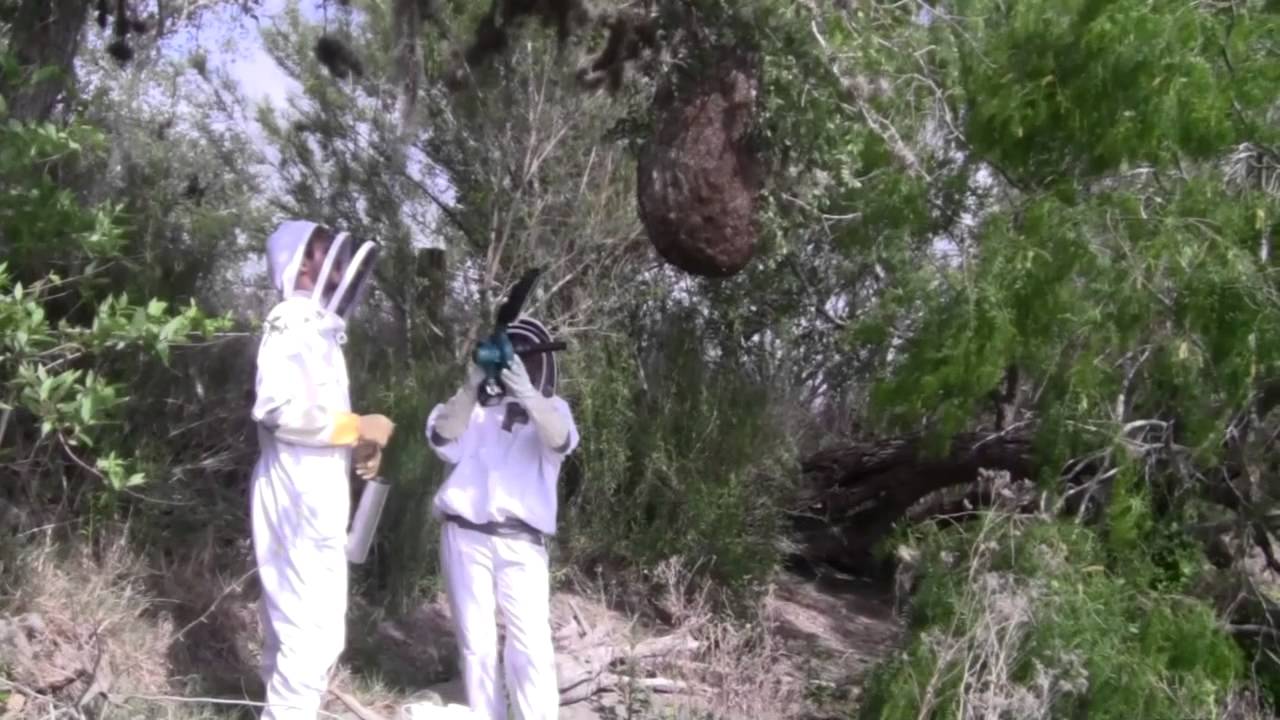
Reports describe nests built in trees with a gray, paper-like exterior. Inside, the colony maintains many cells, including ones used for storing sweet material. The stored substance is edible for humans and has been harvested in parts of Mexico and Central America for a long time.
Calling it “honey” is both useful and imprecise. It is useful because it is a stored, honey-like sugar reserve derived from floral sources. It is imprecise because the chemistry and microbial stability can differ from honeybee honey, and the production volumes are much smaller.
Why this does not become a commercial alternative 📉
Honeybees dominate honey production for boring reasons: they scale. Beekeeping has centuries of practice, stable hive equipment, and predictable yields. By comparison, honey wasps produce less, are harder to manage at scale, and have less standardization around harvesting methods.
There is also a risk profile. Many people can manage honeybee colonies with protective gear and established handling routines. Wasp colonies can be more defensive depending on species and context. That raises labor costs and safety concerns if someone tries to farm them.
“Wasp honey” vs nectar vs honeydew 🧾
In casual conversation, three different sweet substances get merged into one label. Here is a cleaner separation:
- 🍯 Honey-like stores: made by rare species such as Mexican honey wasps, stored in nest cells, consumed later.
- 🌸 Nectar: raw plant sugar solution taken from flowers, usually consumed quickly by adult wasps.
- 🍃 Honeydew: sugary excretion from sap-feeding insects like aphids; some wasps sip it when available.
That distinction matters if you are thinking about taste, safety, or ecology. Nectar can ferment fast. Honeybee honey is stable mainly because it is dehydrated and enzyme-processed. Honeydew varies by plant and insect and can shift local insect behavior.
A useful mental model is to treat “honey” as a finished preserved food, not a sugar drink. Most wasps drink sugar. Very few convert it into a stored product.
The final section shifts from what wasps do not do (make honey) to what they do extremely well: pest control and some pollination, plus how to manage human-wasp conflict without flattening local ecosystems. 🧩
Once the rare honey-makers are separated from the common species, the ecological value of everyday wasps becomes easier to evaluate.
If Wasps Don’t Produce Honey, What Do They Eat—and Why They Still Matter for Your Backyard and Crops 🌿
Without honey stores, wasps run on a flexible diet. That flexibility is a big reason they thrive in cities and suburbs. It also explains the seasonal mood swing people notice, where wasps feel “worse” later in summer. The colony’s internal demands change, and so does what workers hunt.
Adult wasps run on fast sugars ⚡
Adult workers need quick energy for flight. They get it from nectar, fruit juices, plant sap, and human food waste. A wasp at a flower is often doing the same immediate-energy refuel a bee does. The difference is what happens next: bees often bring nectar back for processing, while wasps often burn it right away.
Late in the season, when flowers thin out and outdoor eating spikes, adult wasps show up at trash cans and patios. That behavior is a sign of opportunistic foraging, not honey production. It is the same reason raccoons show up near dumpsters: calories are cheap there.
Larvae drive the protein hunt 🐛
In spring and summer, larvae are a major priority. Many social wasps hunt insects and feed them to the young. That makes them a form of free pest control. Gardeners often notice fewer caterpillars on brassicas or tomatoes when paper wasps are active nearby.
For product-minded readers, think of larvae as the colony’s “growth workload.” It needs protein input. As that workload declines near the end of the season, the colony’s demand tilts toward sugar for adult maintenance, and the insects become more visible around sweet human foods.
Practical ways to reduce conflict without nuking beneficial insects 🧯
If the goal is fewer unpleasant encounters, the best moves are usually boring sanitation steps and habitat awareness. Spraying everything can backfire by removing predators that keep plant pests down.
- 🗑️ Seal trash with tight lids and rinse sticky containers before tossing them.
- 🥤 Cover sugary drinks outdoors; open cans attract wasps quickly.
- 🍑 Pick up fallen fruit under trees; fermenting sugars pull in late-season foragers.
- 🌼 Plant for pollinators away from eating areas, so insects feed where people are not sitting.
- 👷 Handle nests carefully; many wasps defend nests, not territory, so distance reduces stings.
There is also a subtle upside for farms and gardens. Wasps prey on pests that damage crops. They may not be the headline pollinators, but they still move pollen while drinking nectar. The ecological trade is not “honey or nothing.” It is “honey plus pollination” versus “predation plus some pollination.”
In a warmer US climate trend, ranges for some insects can shift north over time, which makes accurate identification more useful each year. The core science stays stable, though: most wasps are sugar consumers and insect hunters, not honey producers. The clearer that is, the easier it becomes to make calm, practical choices around them. ✅

I’m a Brooklyn tech journalist who spent a decade covering software, cloud and developer tooling. I started this magazine in 2023 to cover generative AI without the hype or the cynicism: testing tools on my own subscriptions and citing primary sources.