
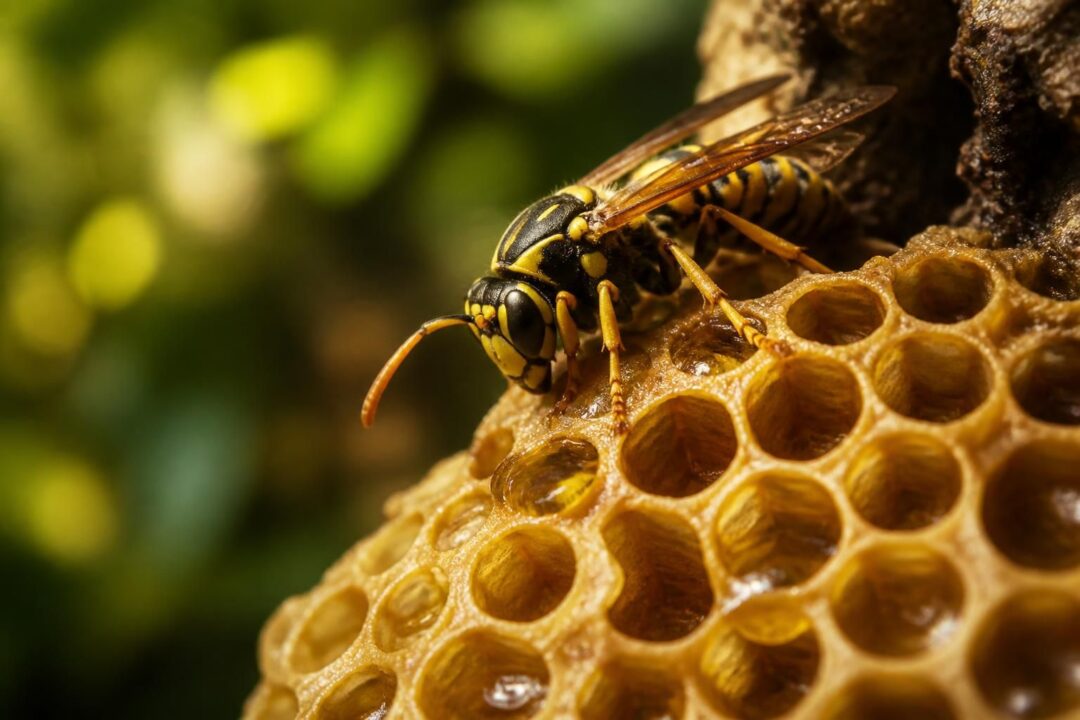
Do Wasps Make Honey? The Core Truth Behind the Myth 🐝⚡
Most of the time, if you’re asking whether wasps make honey, the accurate answer is no. Honey is mostly a bee product, tied to how certain bees live, eat, and survive across seasons. Wasps sit in the same broad insect order as bees, but their day-to-day biology pushes them in a different direction. The confusion makes sense, though. Wasps show up at picnics, they hover around sweet drinks, and they move between plants. That looks like “honey behavior” from a distance.
To keep this grounded, picture a hypothetical product team at a US agtech startup in 2026 building an AI model to classify backyard insects from phone photos. Users keep labeling yellowjackets as “bees,” then ask why the “bees” don’t make honey. The issue is not just visual. It’s about incentives in nature. Honey bees have a strong reason to convert nectar into a stable, storable food. Most wasps do not.
| Trait | Honey Bee | Typical Wasp | Mexican Honey Wasp |
|---|---|---|---|
| Makes honey? | Yes | No | Yes |
| Diet | Nectar, pollen | Insects, nectar | Nectar, insects |
| Colony lifecycle | Perennial | Annual (colony dies) | Perennial |
| Honey purpose | Winter food | N/A | Food store |
Why honey exists: it’s survival food, not a hobby 🍯
Honey is basically a shelf-stable sugar battery. For honey bees such as Apis mellifera, the colony stays active across the year. In cooler months or during shortages, the workers cannot keep collecting nectar. Honey solves that gap. Nectar starts watery and spoils fast. Bee honey becomes long-lasting because bees transform it with enzymes and reduce its water content.
Most wasps don’t share that long-haul winter plan. Many species either live alone or run colonies that collapse at the end of the season. In those setups, there is less payoff in building large stores of preserved sugar. Adult wasps still want sugar for energy, but they often get it “just in time” from fruit, sap, or nectar, then move on.
Why most wasps hunt, instead of stockpiling sugar 🥩➡️
Across many common wasp families (including many in Vespidae), protein matters for raising young. Adults hunt caterpillars, flies, and other insects, then bring that back to developing larvae. This changes the colony’s whole logistics. Instead of turning nectar into a warehouse product, adult wasps run a supply chain of prey.
There is also a key behavior that trips people up: adult wasps often drink sweet liquids because they need fast energy for flight. That doesn’t mean they can or will convert those sugars into honey at scale. In many species, adult workers also receive a sugary secretion from larvae after delivering protein. That substance can look “honey-like” in a casual description, but it is not the same thing as bee honey in composition, storage method, or intent.
A practical field rule for readers who ship software 📱✅
If you’re building a dataset or a consumer feature that touches this topic, treat “honey-making” as a trait that should be inferred from species and colony ecology, not from “insect seen near sugar.” A yellowjacket on a soda can is not evidence of honey production. It’s evidence of opportunistic feeding.
The surprise comes next: while the broad rule is “no,” nature keeps an edge case that breaks it—and that exception is where the story gets interesting.
Mexican Honey Wasp (Brachygastra mellifica): The Rare Wasp That Makes Honey 🐝🍯
There is a well-documented exception that keeps this topic from being a one-line answer: the Mexican honey wasp, scientifically named Brachygastra mellifica. Unlike the usual “predator first” stereotype, this social wasp gathers nectar and stores a honey-like substance inside its nest. That behavior is rare enough that it often gets presented as a trivia fact, yet it has real implications for how people think about insect roles and food webs.
For a reader used to tech categories, this is the “outlier class” that wrecks a simplistic label. “Wasps don’t make honey” is a good default. “No wasp makes honey” is too absolute. In biology, absolutes tend to fail the moment someone samples more ecosystems.
Where it lives and why that matters 🌿
Brachygastra mellifica shows up in warmer regions across Central America and into parts of South America. That range matters because nectar availability, flowering cycles, and competition for sugar sources shape insect behavior. A place with abundant flowering plants can support a colony strategy that leans into nectar foraging.
Habitat affects taste too. Just like bee honey varies by floral source, wasp honey-like stores will reflect local plants and, in some cases, other sugar sources such as honeydew. This is one reason “what does wasp honey taste like?” does not have a single answer that holds across regions.
Colony behavior: closer to bees than to solitary wasps 🏠
Many people think “wasp” and picture a single insect acting alone. That misses how many wasps are social. The Mexican honey wasp forms colonies and builds layered nests from chewed plant fibers. These nests are paper structures, not wax comb. Yet inside those cells, the colony can store processed sugars in a way that echoes bee systems.
That similarity creates the illusion that wasps and bees are interchangeable. They are not. Even in this case, the materials, storage scale, and chemistry differ from standard bee honey production.
Why this edge case keeps showing up in human history 📜
Bee honey has global reach in food and medicine. Wasp honey is far more local. Still, indigenous communities in Mesoamerica have a long record of harvesting and valuing rare insect products, including honey-like stores from certain wasp nests. Accounts tied to the Aztec world are often cited in popular retellings, and the key point is simple: humans noticed the exception because it was a scarce sweet resource in specific places.
This sets up the next question: how does this wasp product get made, and what is happening inside that paper nest?
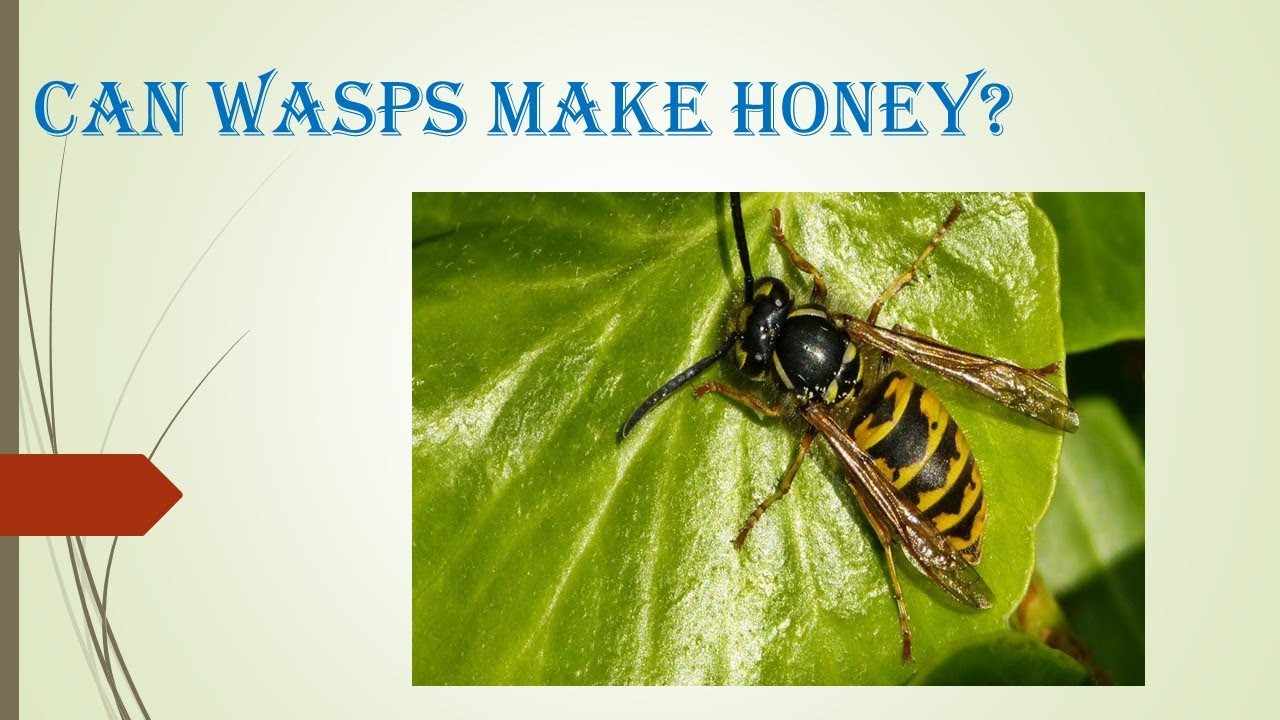
Video searches around this topic often mix accurate footage with mislabeled clips. If you’re verifying for a classroom, newsroom, or dataset, match the visuals to the species name Brachygastra and look for paper nest structure.
How Wasp ‘Honey’ Is Made: Nectar, Enzymes, and Paper Nest Storage 🧪🏠
Honey-making is a chain of steps: collect sugars, process them, then store them in a way that reduces spoilage. Honey bees do this with a specialized anatomy and hive behaviors tuned for dehydration and long-term storage. The Mexican honey wasp reaches a similar endpoint—sweet stored food—using a different toolkit and different constraints.
Understanding the process helps prevent a common mistake: calling every sweet secretion in a wasp nest “honey.” Many social wasps trade protein for larval secretions. That exchange is real, and it keeps the adults fueled. Yet it is not the same as nectar transformed and stored as honey-like reserves.
Step 1: collecting sugars from more than flowers 🌸🍃
Bees are famous for flower nectar. Wasps can be less picky. Even in species that store honey-like material, sugar can come from nectar and sometimes from honeydew, which is a sugary substance associated with plant-feeding insects. That broader sourcing changes flavor and chemistry.
For someone used to ingredient traceability, this is like the difference between “single-origin” and “blend.” The input stream can be mixed, which complicates consistency.
Step 2: regurgitation and enzymatic changes 🔁
As with bee systems, the collected liquid doesn’t stay unchanged. It moves between individuals and can be regurgitated during transfer. During that movement, enzymes begin breaking down complex sugars. This conversion matters because simpler sugars store better and behave differently in viscosity and crystallization.
One reason bee honey gets so thick is the combination of enzymatic conversion and aggressive water reduction. Wasps can do some processing, yet they often consume more of the sugars “in the moment” instead of building massive surplus. That tends to keep storage volumes smaller.
Step 3: storage in paper comb cells, not wax 🍯📦
Honey bees secrete wax and build comb designed for durable storage. Wasps build paper nests from wood fibers. Those paper comb cells can hold sugary liquid, but they aren’t optimized for the same long-term pantry function as a beehive. That alone nudges the final product toward being thinner and more perishable than the honey you buy in a store.
Evaporation still matters. In bee colonies, workers actively fan to drive water off. In wasp nests, water reduction can happen but often with less intensity, partly because volumes are smaller and the nest architecture differs.
A checklist for identifying what you’re seeing in the wild 🧭
This list keeps the common categories straight without relying on vibes:
- 🐝 Bee honey: wax comb storage, thick texture, long shelf life when capped.
- 🧃 Larval secretion in many social wasps: sweet droplets tied to feeding larvae protein; not stored as a pantry item.
- 🏠 Mexican honey wasp stores: sugar gathered from plants, processed in-colony, placed in paper nest cells in small quantities.
- ⚠️ Unknown “wild honey” from random nests: source plants and contamination risk are not controlled.
Next up is the part that matters if you care about food chemistry or product claims: how does wasp honey compare with the jar of clover honey in a US grocery aisle?
Wasp Honey vs Bee Honey: Taste, Texture, Chemistry, and Real-World Uses 🧂🍯
Comparing wasp honey-like stores to bee honey is like comparing a niche open-source project to a mainstream cloud product. Both solve “sweet energy,” but the default expectations—consistency, scale, and standardization—do not carry over. Bee honey, especially from Apis mellifera, has a long history of widespread human use. Wasp honey, linked to Brachygastra mellifica and a few related wasps in the same genus, is rare and region-specific.
For readers who make decisions, the key is not “which is better.” The key is understanding why the products behave differently, and why one becomes a commodity while the other stays a curiosity.
Flavor and aroma: sweet isn’t guaranteed 🍋
Bee honey often tastes sweet in a way most people recognize, with aroma profiles tied to flowers. Clover, orange blossom, buckwheat—each has a stable market identity because beekeepers can manage forage regions and harvest practices.
Wasp honey-like material can taste less sweet and sometimes sharper, with tangy or sour notes. That tracks with mixed sugar sources and different processing. In a culinary context, this makes it closer to a specialty ingredient than a direct substitute for bee honey in tea.
Viscosity and crystallization: why the texture surprises people 🧪
Bee honey is usually thick due to lower water content and a familiar glucose/fructose balance. It crystallizes over time in many varieties, which is not a defect so much as a predictable physical shift.
Wasp honey-like stores tend to be thinner and more watery. Crystallization is less common. That change alone affects storage, transport, and any attempt at commercialization.
A comparison table you can reuse in product notes 📋
| Characteristic 🧠 | Bee Honey (Apis mellifera) 🐝 | Wasp Honey-like Stores (Brachygastra mellifica) 🐝⚡ |
|---|---|---|
| Primary sugar source 🍯 | Mostly flower nectar 🌸 | Nectar plus possible honeydew 🍃 |
| Typical taste 😋 | Generally sweet; varies by floral source 🌼 | Often less sweet; can be tangy or acidic 🍋 |
| Viscosity 🧪 | Thick; easy to spoon 🥄 | Thinner; more runny 💧 |
| Crystallization ❄️ | Common over time, depending on variety ⏳ | Less common in reports 🧾 |
| Human use at scale 🏪 | Global food product; commercial regulation exists ✅ | Regional and niche; little formal regulation ⚠️ |
History and why one product scales and the other doesn’t 🏭
Bee honey became a trade staple because bee colonies can be managed, moved, and harvested with repeatable yields. Modern beekeeping turned a seasonal natural product into a supply chain with standards and testing.
Wasp honey-like stores remain limited because colonies produce small amounts, the nest structure is fragile, and safety depends on local forage plants. That combination blocks mainstream production. The insight here is simple: biology sets the unit economics, and the unit economics decide what becomes “a product.”
The next angle gets practical and a bit uncomfortable: if someone does find wasp honey-like material, should it be eaten?
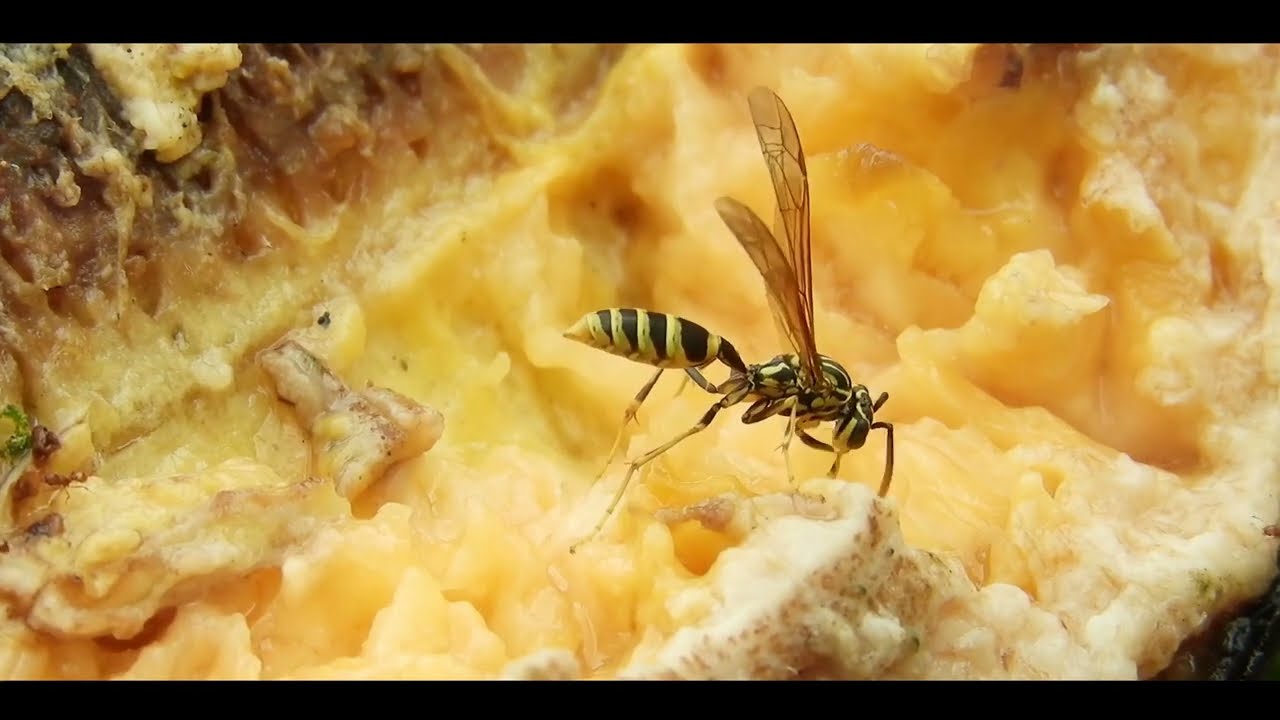
For any clip claiming a taste test, the first check is whether the nest and insect match Brachygastra. Mislabeling is common because “wasp honey” drives clicks.
Is Wasp Honey Safe to Eat? What You Should Know Before Treating It as Food ⚠️🍯
Food safety is where the conversation has to get boring and strict, because the risks aren’t theoretical. Even if Brachygastra mellifica can produce edible honey-like stores and some communities have consumed it, that does not mean random “honey” from a random wasp nest should ever be treated like a snack.
For readers in the US who are used to regulated grocery products, the gap is sharp. Bee honey sold commercially sits inside an ecosystem of labeling rules, testing norms, and basic expectations. Wasp honey-like material does not come with that scaffolding.
Toxic nectar sources: the real wildcard 🌿☠️
The biggest issue is plant chemistry. If a colony gathers nectar from toxic plants, the stored sugars can carry harmful compounds. A commonly cited example in discussions is Datura (jimsonweed), which contains potent alkaloids. The hazard is simple: wasps do not label their input sources, and “sweet” does not mean “safe.”
This risk exists for bees too in rare cases, but the scale of commercial beekeeping creates more observation and filtering. With wasp honey-like material, you’re closer to the raw edge of foraging ecology.
No commercial standards means no predictable safety story 🧾
There is no widely used regulatory framework for harvesting and selling wasp honey-like stores. That means no standard tests for plant toxins, pesticides, heavy metals, or microbial contamination. Without that, any promise of safety becomes guesswork.
If a startup tried to sell “wasp honey” as a novelty food in 2026, it would run into a wall of compliance questions fast. Where was it collected? Which species made it? What plants were in range? What lab tests confirm what isn’t in it?
Traditional use is real, but it doesn’t generalize 🧠
Indigenous and local practices matter here. Some communities have detailed knowledge of which nests are safe to harvest and when. That knowledge is location-bound and species-bound. It doesn’t translate into “anyone can try it.”
This is similar to wild mushroom foraging. People do it safely with expertise. Without that expertise, the same behavior becomes a risk.
What to do if you’re building content, policy, or an AI feature 🧰
If your work touches consumer guidance, keep the message clear and testable:
- ⚠️ Treat “wasp honey” as not a standardized food in the US context.
- 🔎 If a specific species is named, Brachygastra mellifica is the relevant reference point.
- 🧪 Any claim of edibility should point to local tradition plus modern testing, not vibes.
- 📸 For photo ID tools, separate “wasp near sugar” from “wasp species known to store honey-like material.”
The useful takeaway is that the “surprising truth” is not that wasps secretly make honey everywhere. It’s that biology has one clean exception, and that exception comes with constraints you can’t ignore.
What Google won't tell you
Do all wasps make honey?
Only the Mexican honey wasp (Brachygastra mellifica) produces a honey-like substance. Most other wasp species don't.
Why do wasps come to my sweet drinks?
Adult wasps need quick sugar for energy, but they don't convert it into honey. They're just taking a snack.
Can you eat honey from a wasp?
Technically yes, but it's rare and not widely harvested. Bee honey is much more common and abundant.
How do I tell a honey bee from a wasp?
Bees are usually fuzzy, rounder, and less aggressive. Wasps have smooth, shiny bodies and narrow waists. And don't assume a bee makes honey — only honey bees do.
What about you — what's your take? Share it in the comments 👇
Leave a comment
I’m a Brooklyn tech journalist who spent a decade covering software, cloud and developer tooling. I started this magazine in 2023 to cover generative AI without the hype or the cynicism: testing tools on my own subscriptions and citing primary sources.