
Tools
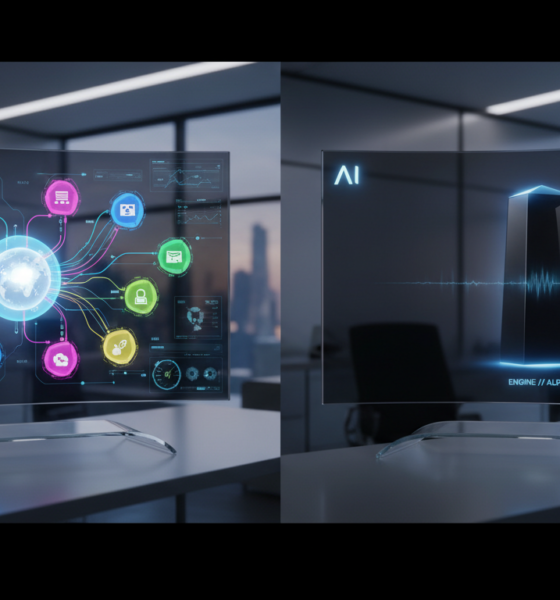
OpenAI vs Quora: Choosing Between ChatGPT and Poe for AI Tools in 2025
Navigating the AI Ecosystem: The 2025 Showdown
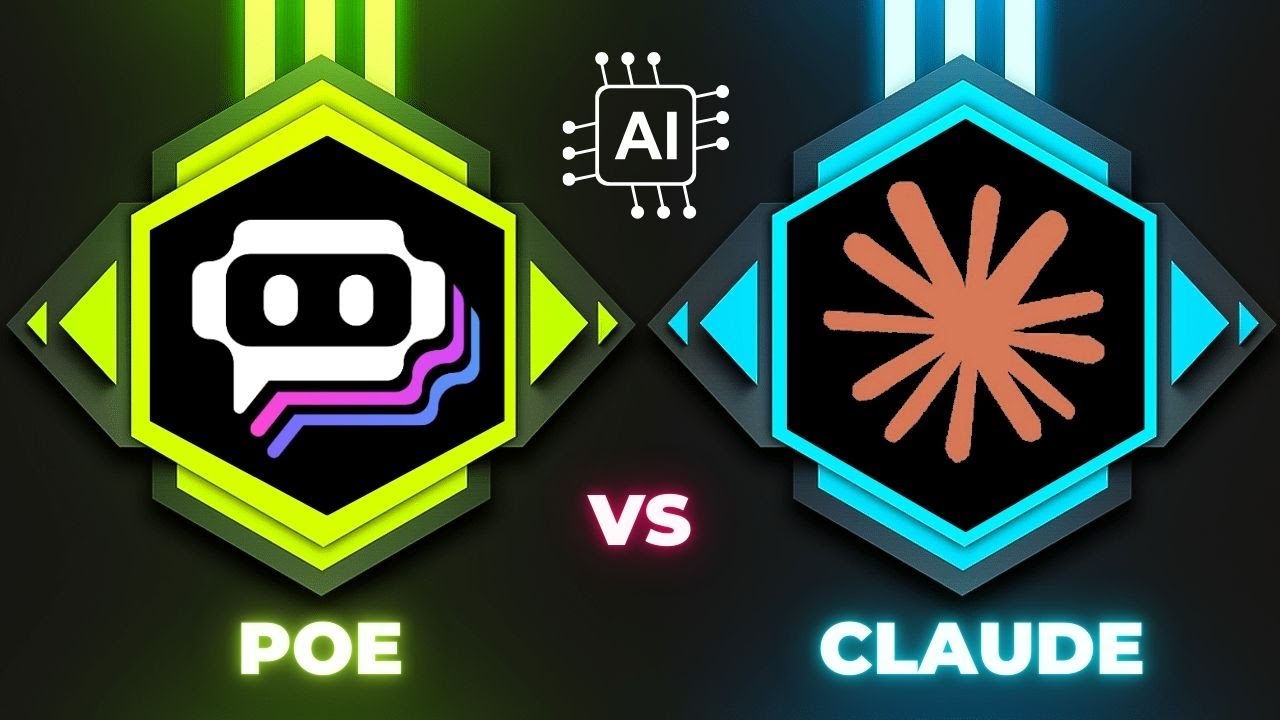
In the rapidly evolving landscape of Artificial Intelligence, the year 2025 has brought us to a pivotal crossroad where user experience battles against raw model performance. Two titans have emerged as the primary gateways to this digital frontier: Poe by Quora and the omnipresent ChatGPT from OpenAI. These platforms have transcended simple chatbots to become comprehensive ecosystems, yet they serve fundamentally different philosophies. While one aims to be the ultimate aggregator, the other strives to be the singular source of truth.
Understanding the distinction is crucial. It is no longer just about asking a question; it is about choosing the right interface for your workflow. Whether you are comparing OpenAI vs PrivateGPT for data security or deciding on a daily driver for coding, the nuances lie in how these tools curate and deliver information.
Poe: The Aggregator of Generative Intelligence
Quora, established in 2009, spent over a decade building a massive repository of human knowledge. With the launch and subsequent evolution of Poe, they effectively pivoted to becoming a browser for Machine Learning models. Poe functions less like a single entity and more like a sophisticated hub. It integrates distinct models—ranging from GPT-4 and Claude to Llama—under one unified roof.
The user experience here is defined by choice. Instead of being locked into a single logic system, users can switch between different AI personalities and capabilities instantly. This is particularly useful for developers and creators who need to test prompts across various architectures without managing multiple subscriptions. Poe excels in mimicking a human conversation partner by sifting through Quora’s vast database, offering a unique blend of community-sourced wisdom and algorithmic precision.
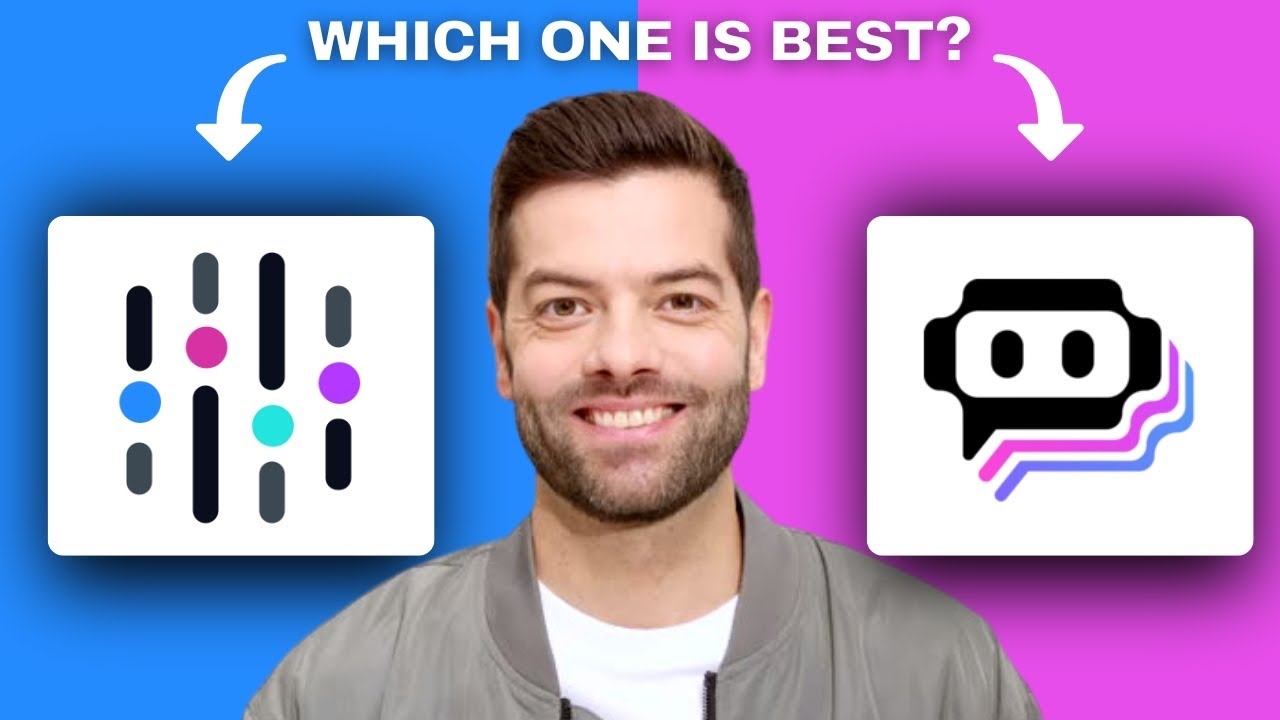
ChatGPT: The Engine of OpenAI
ChatGPT remains the flagship of OpenAI, representing the pinnacle of the Generative Pre-trained Transformer architecture. By 2025, its capabilities have expanded far beyond simple text generation. It is a powerhouse for reasoning, coding, and creative writing. The platform’s strength lies in its vertical integration; the model, the interface, and the safety guardrails are all designed to work in perfect harmony.
The vision behind ChatGPT is the pursuit of AGI (Artificial General Intelligence). This goal drives a user experience focused on depth and versatility. When users engage with ChatGPT, they are tapping into a system fine-tuned for complex problem-solving, capable of handling everything from translating ancient languages to analyzing market trends similar to the rivalry seen in Google Gemini 3 vs ChatGPT. Its ability to maintain context over long conversations makes it indispensable for iterative tasks like software development or drafting academic papers.
Core Feature Analysis
To make an informed decision, one must look at the hard data. The following table breaks down the critical differences between these two AI Tools as they stand in 2025.
| Feature Category | Poe (Quora) 🦅 | ChatGPT (OpenAI) 🤖 |
|---|---|---|
| Core Philosophy | Aggregator & Community Hub | Proprietary Model & Reasoning Engine |
| Model Access | Diverse (Claude, GPT-4, Llama, PaLM) | Focused (GPT-3.5, GPT-4o, o1) |
| Target Audience | Curious minds, bot creators, experimenters | Professionals, coders, writers, researchers |
| Data Source | LLMs + Quora Community Data | Pre-trained Internet Data + Live Search |
| Cost Flexibility | Compute points system 🪙 | Tiered Subscription model 💳 |

Technological Underpinnings and Specializations
The divide between these platforms is most visible in their technological foundations. Poe utilizes a “model-agnostic” approach. This means its infrastructure is built to API-call various external services, wrapping them in a consistent UI. It creates a layer of abstraction that simplifies advanced features like agentic AI vista features, allowing users to build their own bots without coding knowledge. This “bot-building” capability fosters a lively community where users share custom prompts for roleplay, utility, or entertainment.
Conversely, ChatGPT’s infrastructure is a monolith of optimization. The “pre-training” and “fine-tuning” phases are rigorous, ensuring that the model aligns with human intent. In 2025, this alignment is critical for enterprise use where reliability is paramount. The system is hosted on massive computational clusters designed for real-time responsiveness. This architecture supports its dominance in informational tasks, where it excels at deep-dive explanations and summarization, rivaling specialized tools often compared in analyses like ChatGPT vs Writesonic.
Entertainment vs. Information: A Divergence in Use
Poe has carved out a fascinating niche in entertainment and casual learning. Because it integrates Quora’s social DNA, it feels more interactive. The platform encourages the creation of “personality bots”—AI tuned to speak like historical figures or fictional characters. This makes it a superior choice for users seeking engagement, wit, and cultural relevance. The unexpected puns and ability to tap into community-generated content keep the experience fresh.
ChatGPT, while capable of creativity, leans heavily into the utility of Natural Language Processing. It is the tool of choice for structuring chaos. Whether you are generating code snippets or needing a comprehensive breakdown of OpenAI vs Cohere AI enterprise solutions, ChatGPT provides a structured, academic, and professional output. Its cross-domain expertise allows it to act as a polymath tutor, prioritizing accuracy and coherence over entertainment value.
Here are the distinct advantages of choosing an integrated ecosystem like ChatGPT:
- 🚀 Seamless Workflow: Integration of DALL-E for images and data analysis tools in a single chat window.
- 🧠 Reasoning Depth: Superior performance in complex logic puzzles and mathematical problem-solving.
- 🔒 Enterprise Grade: Higher standards of data privacy and compliance for business users.
- 🌍 Multimodal Capabilities: Native ability to see, hear, and speak within the primary interface.
- 📚 Context Retention: larger context windows for processing entire documents or books in one go.
The Horizon of Conversational AI
Looking ahead, the lines between these platforms may blur, but their core missions will likely remain distinct. We can anticipate Poe leaning further into the “social network of bots,” perhaps integrating AR features to bring these personalities into physical spaces. The democratization of model access remains their strongest play.
OpenAI, on the other hand, pushes toward higher reasoning capabilities. The future for ChatGPT involves even more intuitive understanding of human emotion and intent, moving from a tool that answers questions to an agent that anticipates needs. As the sector matures, the choice between Poe and ChatGPT will not be about which is “better” in a vacuum, but which aligns more closely with the user’s specific need for diversity versus depth.
Can I access GPT-4 on Poe without a separate OpenAI subscription?
Yes, Poe allows users to access various models, including GPT-4 and Claude, through its own subscription or point-based system, often providing a way to use these top-tier models without direct accounts with the providers.
Is Poe better for developers than ChatGPT?
Poe is excellent for developers who want to test prompts across multiple models (like Llama, PaLM, and GPT) simultaneously to compare outputs. However, ChatGPT is often preferred for writing and debugging code due to its specialized reasoning capabilities.
Which platform is safer for enterprise data privacy?
Generally, ChatGPT Enterprise and specific business tiers from OpenAI offer robust data privacy guarantees, ensuring data isn’t used for training. Poe is consumer-focused, so businesses should carefully review their data handling policies before using it for sensitive proprietary information.
Does Poe create its own AI models?
Poe primarily acts as an interface or aggregator for existing models from companies like OpenAI, Anthropic, and Meta. However, it leverages Quora’s proprietary data to fine-tune interactions and provide unique, community-driven bot experiences.

Aisha thrives on breaking down the black box of machine learning. Her articles are structured, educational journeys that turn technical nuances into understandable, applicable knowledge for developers and curious readers alike.



international entrepreneur rule update: what changes in 2025 mean for global startups
Navigating the 2025 International Entrepreneur Rule Update The landscape for global startups looking to breach the American market has shifted...

Shortcut to size pdf: how to access and use the guide for muscle growth
Decoding the Architecture of Muscle Growth In the world of physical optimization, efficiency is the primary metric. The concept of...


Unlocking the power of iconography pdfs: essential guide for 2025
Unlocking the Strategic Value of Visual Communication in 2025 In today’s statistical-first world, effective communication often happens in milliseconds. Users...


San Francisco Startups: Key Trends to Watch in 2025
AI-Native Momentum in San Francisco Startups: Foundation Models, Agents, and Safety Across San Francisco, the most visible shift in 2025...


how to apply a promo code on study.com: step-by-step guide for august 2025
Navigating Education Savings with Study.com in August 2025 As the academic landscape continues to evolve, finding cost-effective solutions for online...


The best bond movies ranked: a definitive guide for 2025
The Future of Espionage and the Legacy of 007 in 2025 As we navigate through 2025, the cinematic landscape is...


Best male hairstyles for round faces: top trendy looks for 2025
Optimizing Facial Symmetry: The Logic Behind Haircuts for Round Faces Finding the optimal aesthetic for a round face shape is...


Explore the Top 5 Free NSFW AI Chatbots to Try in 2025
The Rise of Unfiltered Digital Companions in the 2025 Landscape The digital horizon has expanded significantly, and the way humans...


OpenAI vs Quora: Choosing Between ChatGPT and Poe for AI Tools in 2025
Navigating the AI Ecosystem: The 2025 Showdown In the rapidly evolving landscape of Artificial Intelligence, the year 2025 has brought...


Mini blocks: creative building ideas and tips for beginners in 2025
Mastering Mini Blocks: A Tactile Renaissance in 2025 In an era dominated by augmented reality and digital interfaces, the tactile...


Super claude code: how to maximize your coding efficiency in 2025
It’s no longer about simply having access to the most powerful AI; it’s about how you wield it. As we...


Essential ap world term flashcards pdf for effective 2025 exam prep
Streamlining Your 2025 AP World History Strategy with Digital Tools Success in the AP World History exam isn’t just about...


Tp test paper explained: key points, uses, and expert tips in 2025
Navigating the Teleperformance Assessment Ecosystem in 2025 The recruitment landscape has evolved significantly, with data-driven evaluations becoming the standard for...

Must-Watch AI Movies to Look Forward to in 2025
The Evolution of Cinema: Why AI Films Are Dominating 2025 The landscape of visual storytelling has shifted dramatically over the...


Notion AI vs. ChatGPT: A 2025 Feature Showdown to Supercharge Your Productivity
The digital landscape of 2025 has become crowded with intelligent assistants, each promising to revolutionize how work gets done. While...


Ftfy meaning explained: what does ftfy stand for in 2025 internet slang?
Decoding the FTFY meaning in modern digital language Navigating the complex landscape of internet slang requires more than just a...


Top words that start with tu: expand your English vocabulary
Unlocking the Potential of “TU” Vocabulary in Professional Communication Mastering a precise vocabulary is akin to optimizing code; the right...


How to use an ap spanish score calculator for accurate results in 2025
Optimizing Your Strategy with an AP Spanish Score Calculator Achieving a top tier result on the AP Spanish Language and...


A look at interesting things that start with ai
Unveiling the Hidden Layers of Modern Intelligence The landscape of technology has shifted dramatically by 2025. Artificial Intelligence is no...


sim failure explained: common causes and quick fixes in 2025
Your iPhone is your lifeline to the digital world, handling everything from urgent emails to streaming the latest podcast. So,...
-

 Open Ai2 months ago
How to Effortlessly Access Your Archived Conversations on ChatGPT in 2025
-

 Open Ai2 months ago
A Comprehensive Guide to Sharing Your ChatGPT Conversations: 2025 Edition
-

 Tools1 month ago
How to download and use open subtitles for movies and TV in 2025
-

 Actualités1 month ago
Ontario Man Claims ChatGPT Prompted Psychosis During ‘World-Saving’ Quest
-

 Actualités2 months ago
OpenAI Reports That Hundreds of Thousands of ChatGPT Users May Experience Symptoms of Manic or Psychotic Episodes Weekly
-

 Ai models2 months ago
MIT Researchers Introduce ‘SEAL’: A Game-Changer in the Evolution of Self-Enhancing AI

